


One of the challenges in addressing and promoting Asian American mental health is the severe shortage of relevant data and research for and from the community. To echo the notion of “Nothing about us without us”, WAVES will keep studying and publishing data-driven Research Insights to provide empirical evidence on the effectiveness of MHFA training and other data storytelling to facilitate our understanding of mental health in our community.
Identifying AAPI Health Priority in North Carolina
To amplify community-centered research and storytelling, WAVES is proud to spotlight our major study funded by the Blue Cross NC Foundation: Identifying AAPI Health Priorities in North Carolina. Using data from the Behavioral Risk Factor Surveillance System (BRFSS)—the largest nationwide health survey in the U.S.—we examined health access, behaviors, and self-reported health status among Asian Americans, with a special focus on North Carolina. This multi-method study began in 2023 and includes six major deliverables:
- Secondary Data Analysis – Using national datasets (ACS, Census, BRFSS), we identified demographic and healthcare disparities facing the AAPI community in NC.
- Listening Sessions – Conducted across 4 language-based groups (Chinese, Cantonese, Karen), we engaged 48 participants to surface community-voiced priorities.
- Focus Groups – In four focus groups (n=44), participants shared in-depth concerns around cultural identity, stigma, and healthcare access.
- Semi-Structured Interviews – Our in-depth interviews with refugee parents and youth (n=23) revealed key themes of trauma, intergenerational disconnect, mental health symptoms, and resilience.
- Surveys – A 52-page multilingual survey (Chinese & Karen) launched in Spring 2025, with a total of 417 complete, verified forms collected, exceeding our goal.
- Video: Home Burma – This short documentary captures the lived experiences of Karen refugees in NC, exploring their journeys from displacement to rebuilding community.
We have now completed data collection for our statewide survey, including responses from 118 Karen refugees. This phase required extensive time and care—each survey took up to 2–3 hours to complete—reflecting the importance of trust building within immigrant and refugee communities. We are now in the process of data analysis working with UNC Chapel Hill School of Nursing. One key finding is that even with this large dataset, we could not generate reliable estimates for many important health indicators for North Carolina’s Asian population—particularly when disaggregated by ethnicity. This underscores the urgent need for community-focused research to better understand and promote health among Asian Americans in our state. Below, you can explore some key highlights from the study and accompanying media.

Asian Americans in the US and NC Accompanying Abstract
Learn More
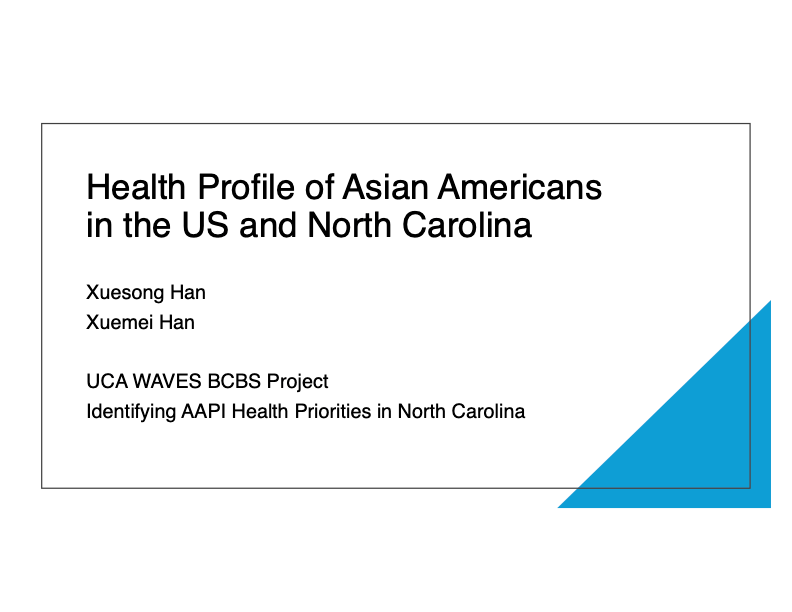
We’re proud to share a detailed sociodemographic profile of Asian Americans in the U.S. and North Carolina!
Why is this important? Because Asian Americans are the fastest-growing racial group in the U.S., yet often overlooked in national data. This study highlights key demographic, economic, and linguistic patterns that shape our communities—especially in underrepresented states like North Carolina. Click the button below to view the complete report

Amplifying Refugee Voices in “Home Burma” Documentary
Learn More
What does home mean? On a small farm in North Carolina, Karen refugees from Burma rebuild their roots—one crop, one memory at a time.
Created by Xiaohua Wang and Jing Chen as a part of the sixth research aim for the “Identifying AAPI Health Priorities in North Carolina” study, this video amplifies refugee voices and spotlights the unique experiences they face navigating displacement.

Key Insights from Individual Interviews with Parents & Youth
Learn More
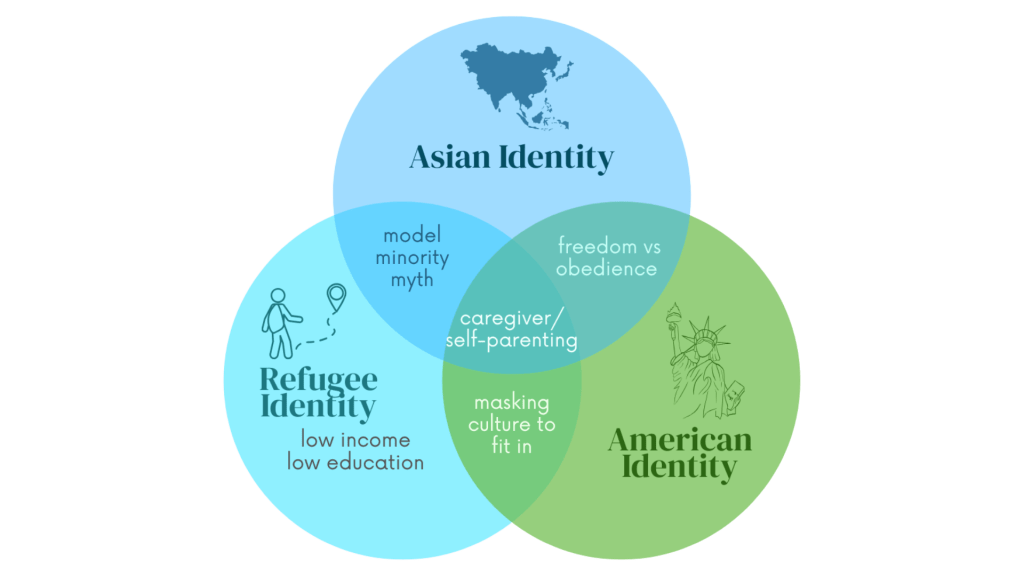
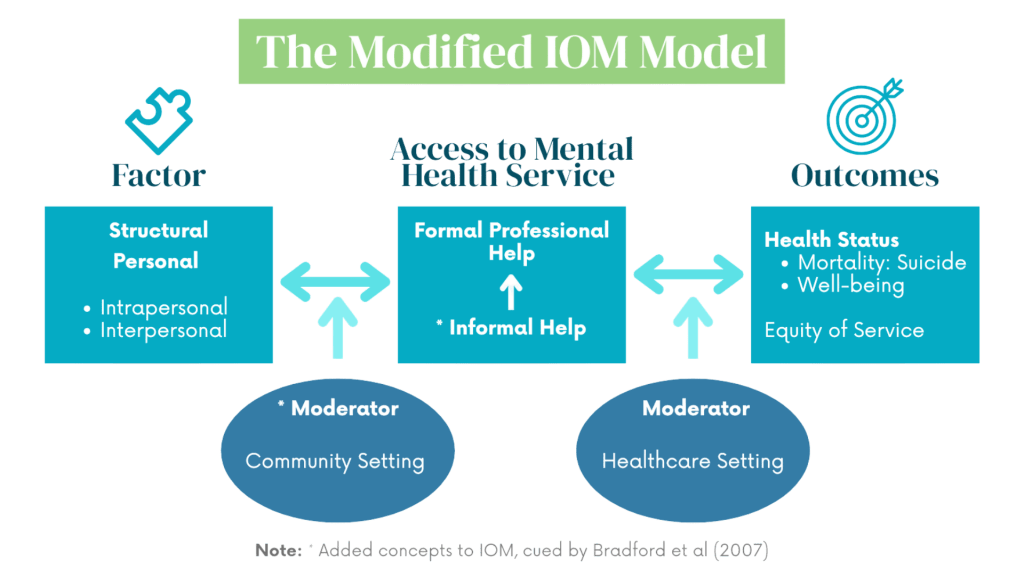
We sat down with 12 parents and 11 youth from the Karen refugee community as part of our fourth research aim in Identifying AAPI Health Priorities in North Carolina” study. With their invaluable insight, we were able to construct several diagrams mapping out the challenges different identifies entail, how the emotional landscapes of parent and children compare and contrast, and a modified IOM model. Check out each in the slideshow below.

Original AAPI Research
Mental Health Needs and Barriers to Service in the Chinese American Community: Insights Gained from Focus Groups
upported by Blue Cross NC Foundation, WAVES organized three focus group discussions in July to learn about the health needs of North Carolina’s AANHPI Communities. Participants discussed the following questions, achieved themes, and provided ranking of themes in importance for each:
- In general, what do people in the Chinese American community think about mental health or emotional well-being?
- What have you found to be helpful for accessing mental health or emotional well-being services or care in the Chinese American population?
- What actions would you suggest to improve mental health and emotional well-being in the Chinese American population?
Based on the results of the focus discussion, a research report entitled “Mental Health Needs and Barriers to Service in the Chinese American Community: Insights Gained from Focus Groups”, co-authored by Professor Pao-Hwa Lin has been published in the journal Ethnicity Health.
Mental Health First Aid (MHFA) Research

MHFA Mental Health Pilot Study
The Pilot Research Study aims to Evaluate the Effectiveness of the MHFA Chinese Curriculum funded by the National Council on Mental Wellbeing.
Among 529 registered for the study , 224 individuals who meet the inclusion criteria accepted the invitations to participate in either Chinese (2 sessions 5/11 & 5/26) or English Trainings (6/3 & 7/11) after random assignment. Total 111 individual accepted the invitation to train (52 for Chinese and 59 for English group). The total numbers who got trained: 32 for Chinese training and 43 for English trainings. 29 in Chinese trainings group agreed to participate in the study and 43 agreed in English group agreed and filled out the pre- trainings and the same day post surveys . 3 months and 6 months following up will be conducted for all four groups of participants both languages to evaluate the sustained effectiveness of the trainings .
The data collection portion of the study was completed in early 2024. We want to thank our amazing trainers Ruby Brown-Herring and Elaine Peng, our coordinator Lisa Liu and RA Emma Tao, as well as the PI Lily Chen and advisor Dr. Pao-hwa Lin for your commitment to building evidence.
In June of 2025, Lily presented the research at the American Association of Colleges of Nursing (AACN) ACE Symposium. We are now in the process of submitting for manuscript publication.
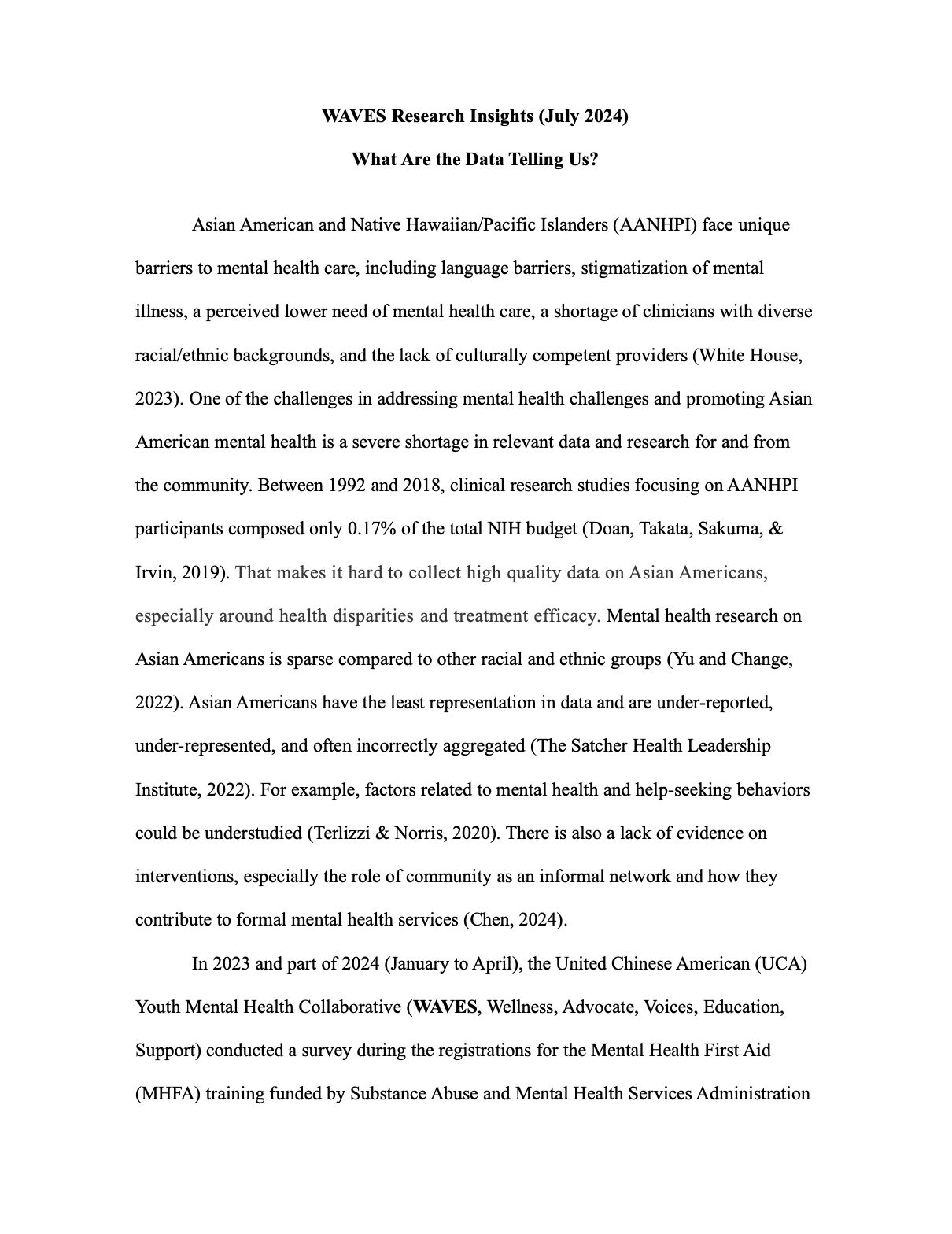
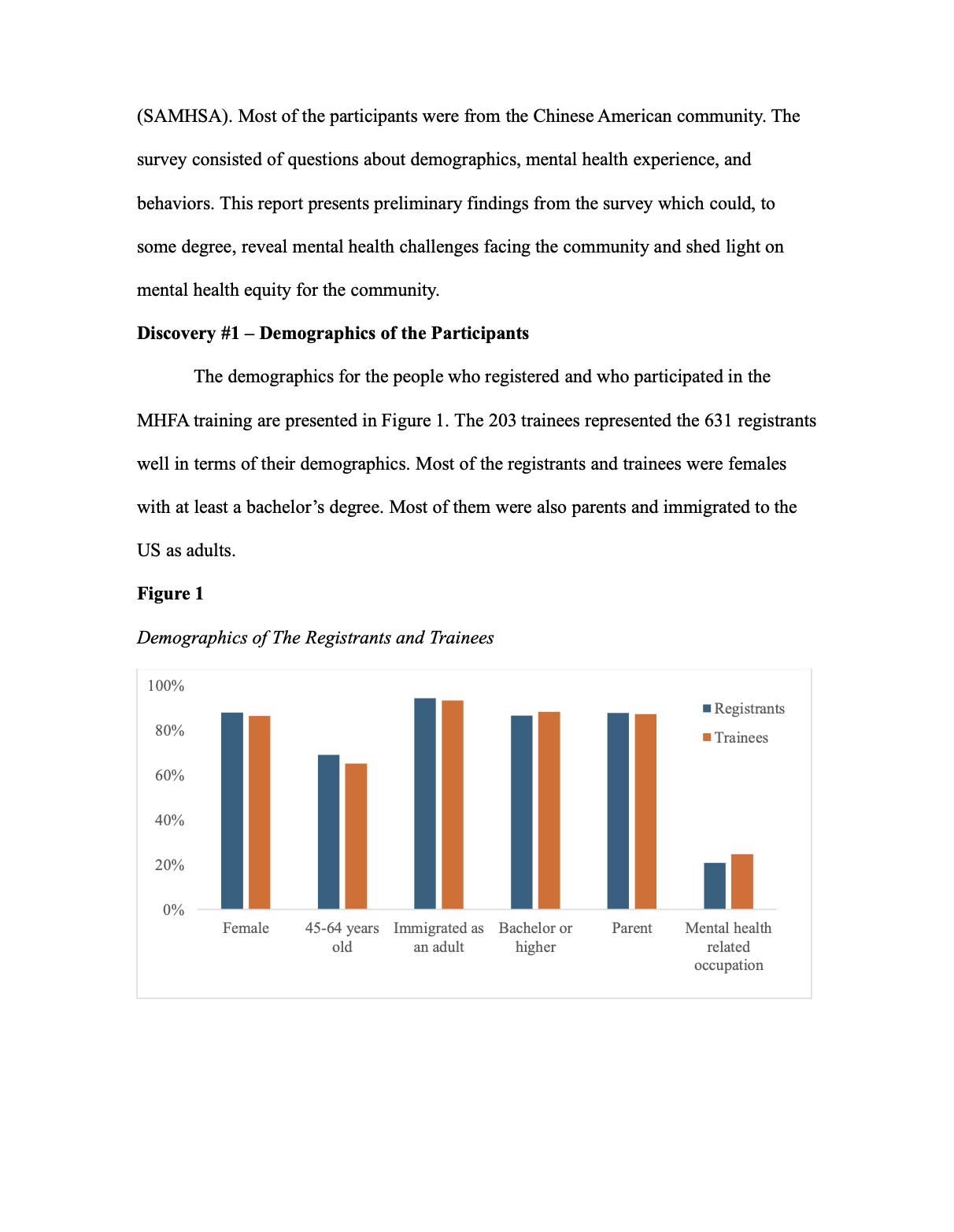
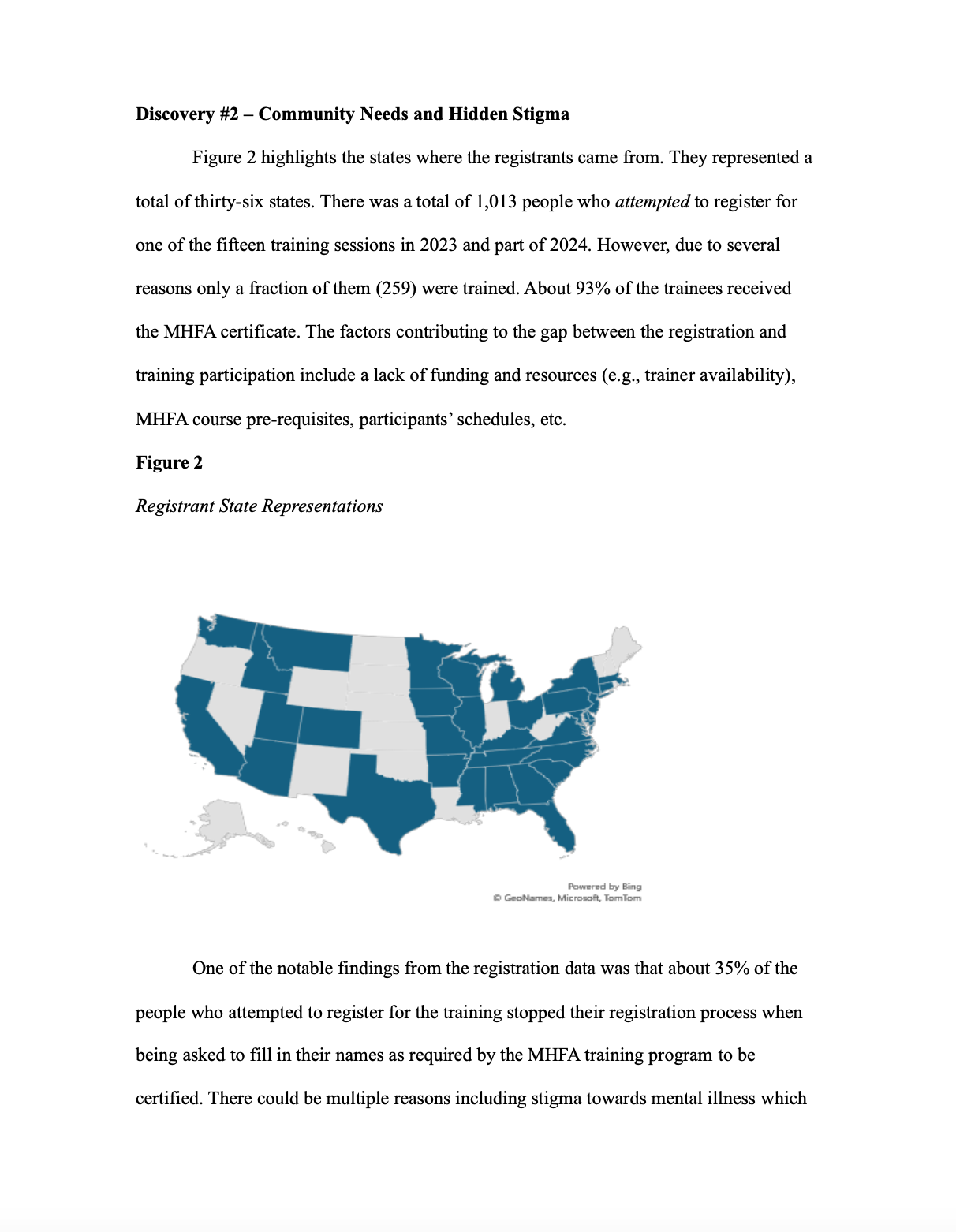
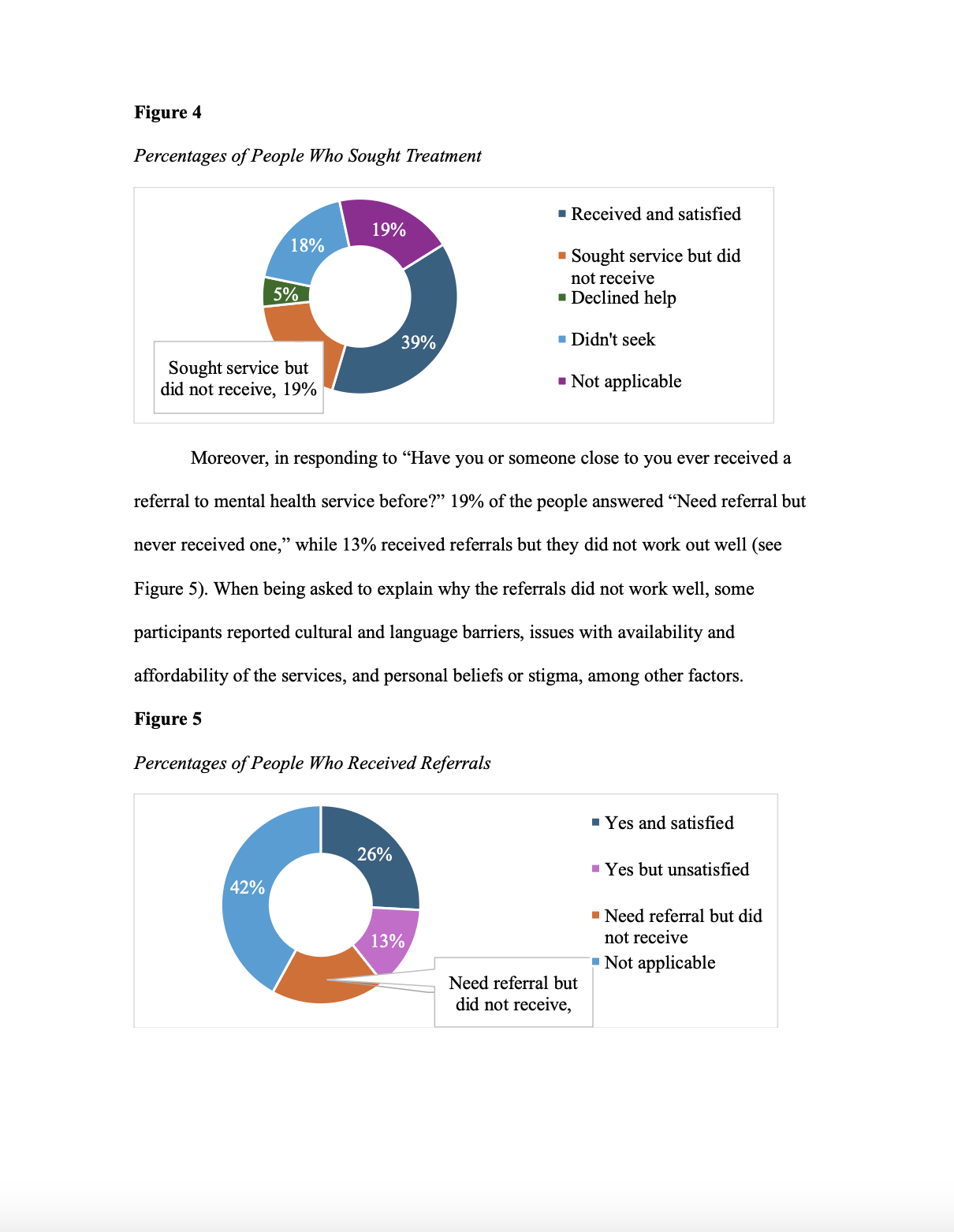
MHFA Research Highlight: What Are the Data Telling Us?
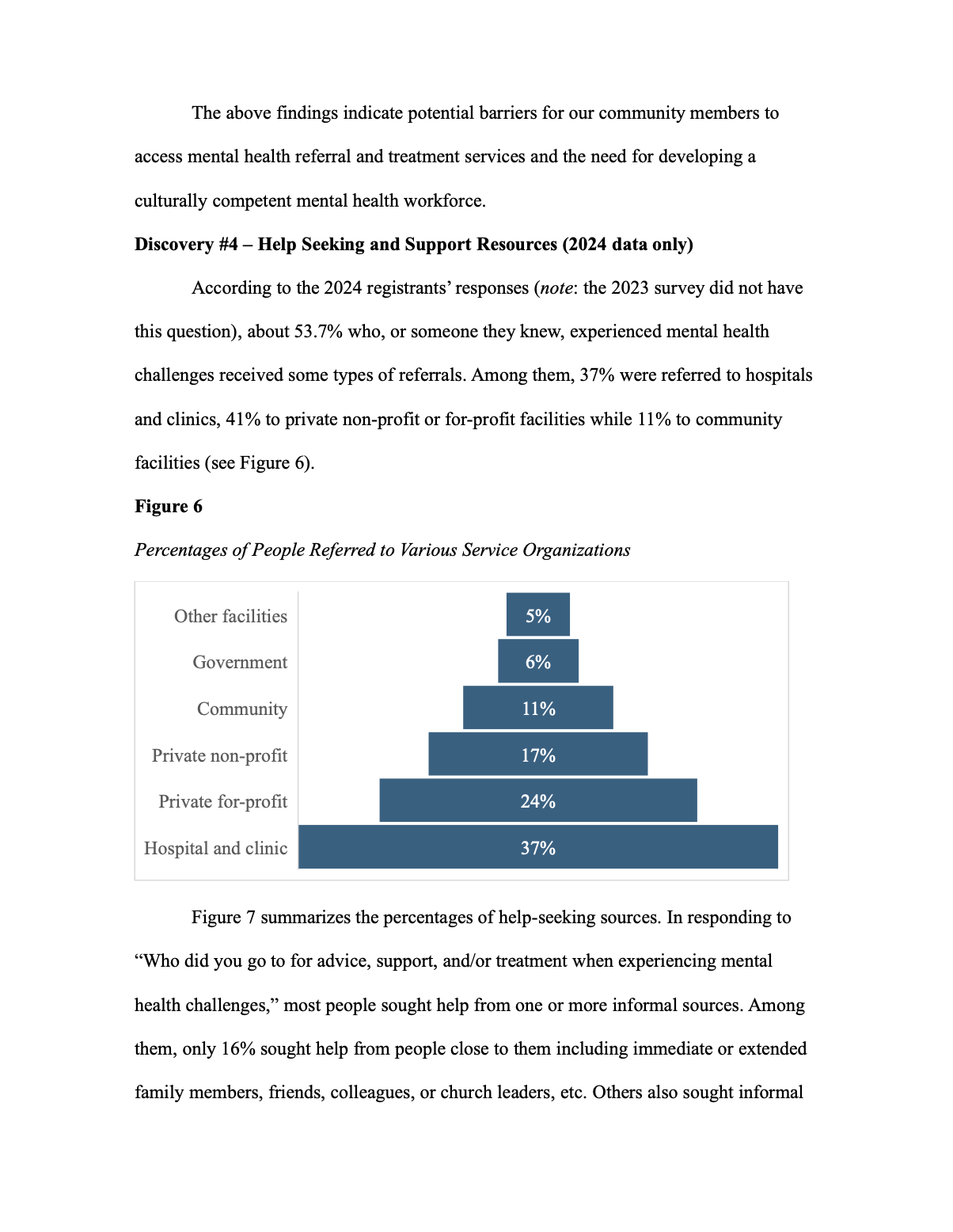
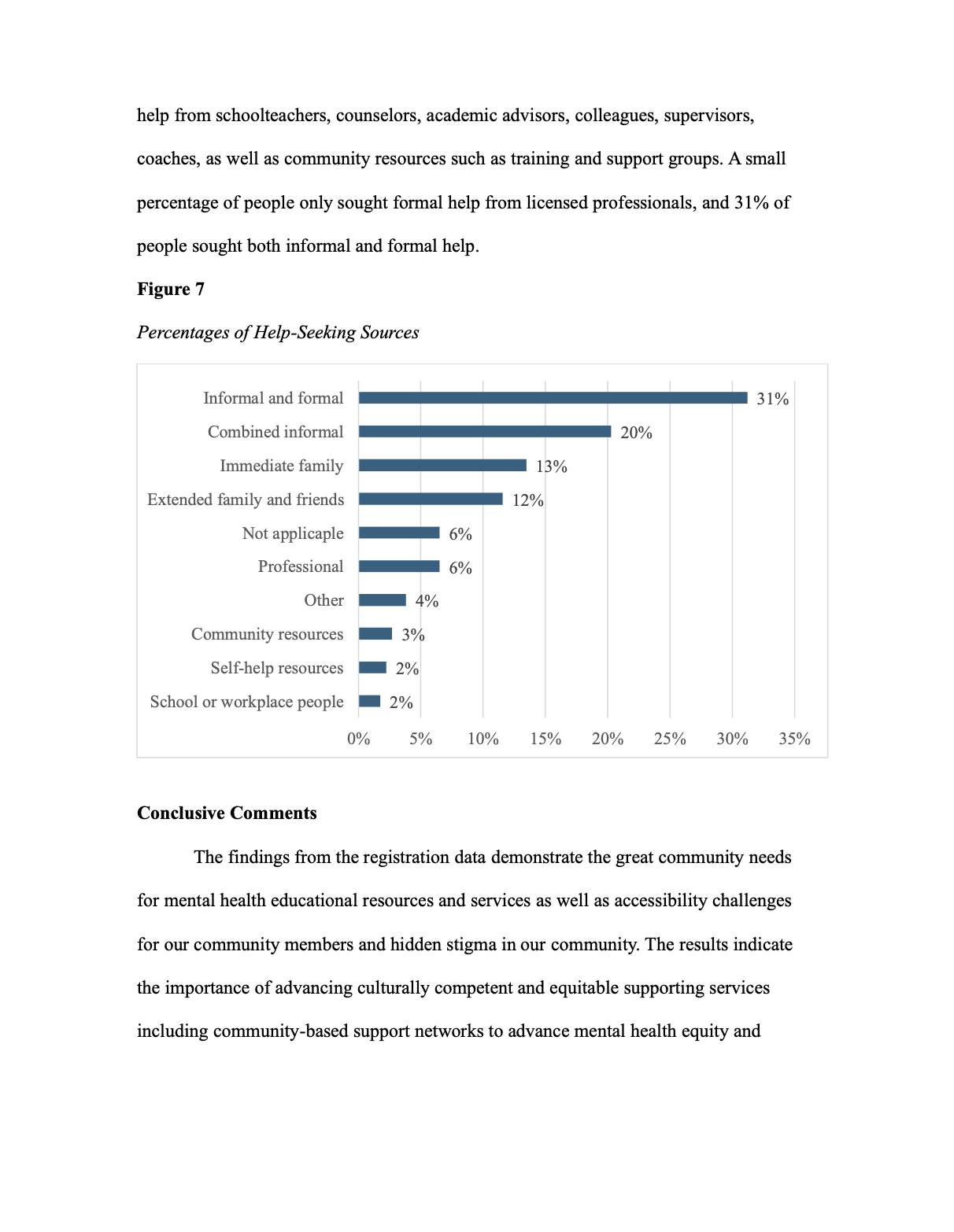
To echo the notion of “Nothing about us without us”, WAVES just published its first data-driven Research Insights: What are the data telling us?
In that report, we used our own data collected in 2023 and a part of 2024 (January – April) during the registrations for the Mental Health First Aid (MHFA) training funded by the Substance Abuse and Mental Health Services Administration (SAMHSA).
The preliminary findings indicated a great need in our community for mental health education and services as well as hidden stigma among our members and accessibility challenges. community outreach.



Original Youth Research
Leading Causes of Death
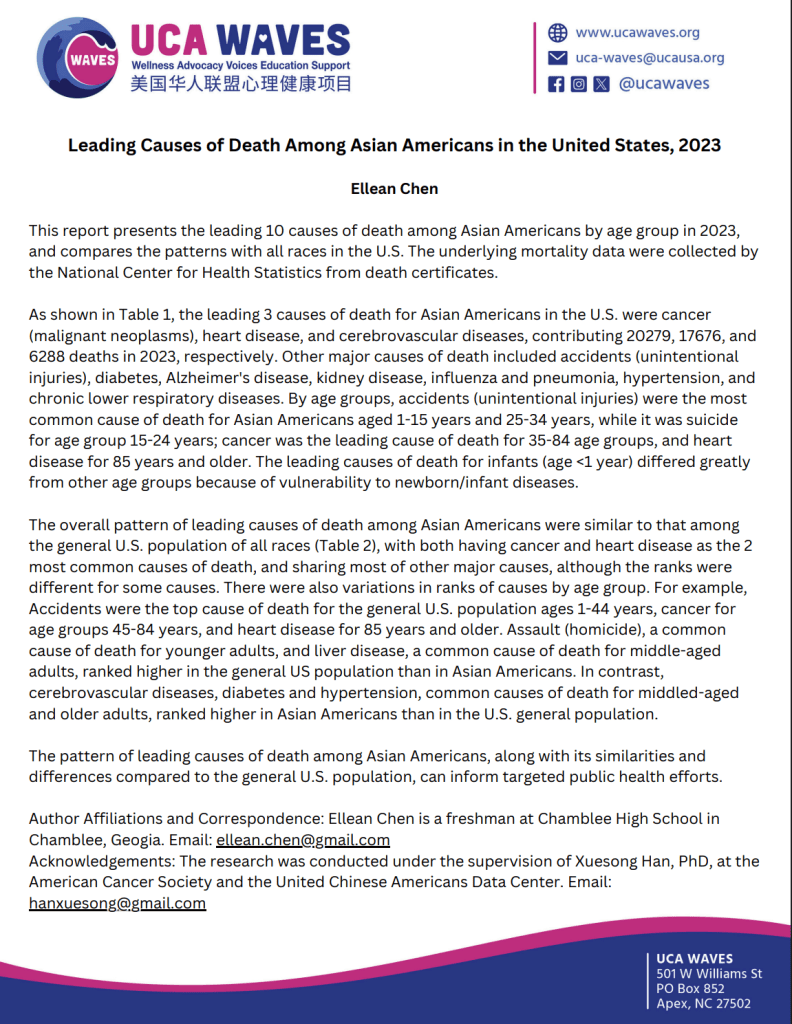
We are beyond excited to announce the publication of our first-ever research data on Leading Causes of Death among Asian American communities—now live on the WAVES Research Corner! This is a monumental step forward, not just for us but for our entire community.
Why is this a big deal? For the first time ever, we’re unveiling 2023 data on the leading causes of death for Asian Americans, with a groundbreaking report revealing that suicide is the leading cause of death for Asian Americans aged 15-24. This crucial research shines a light on the urgent need for greater mental health awareness.
What’s Inside:
• Detailed data on leading causes of death for Asian Americans
• Suicide trends and comparisons to national data
• Powerful insights into youth mental health, especially in the 15-24 age group
• Tailored data that fills a major gap in public health resources
Suicide Rate Analysis
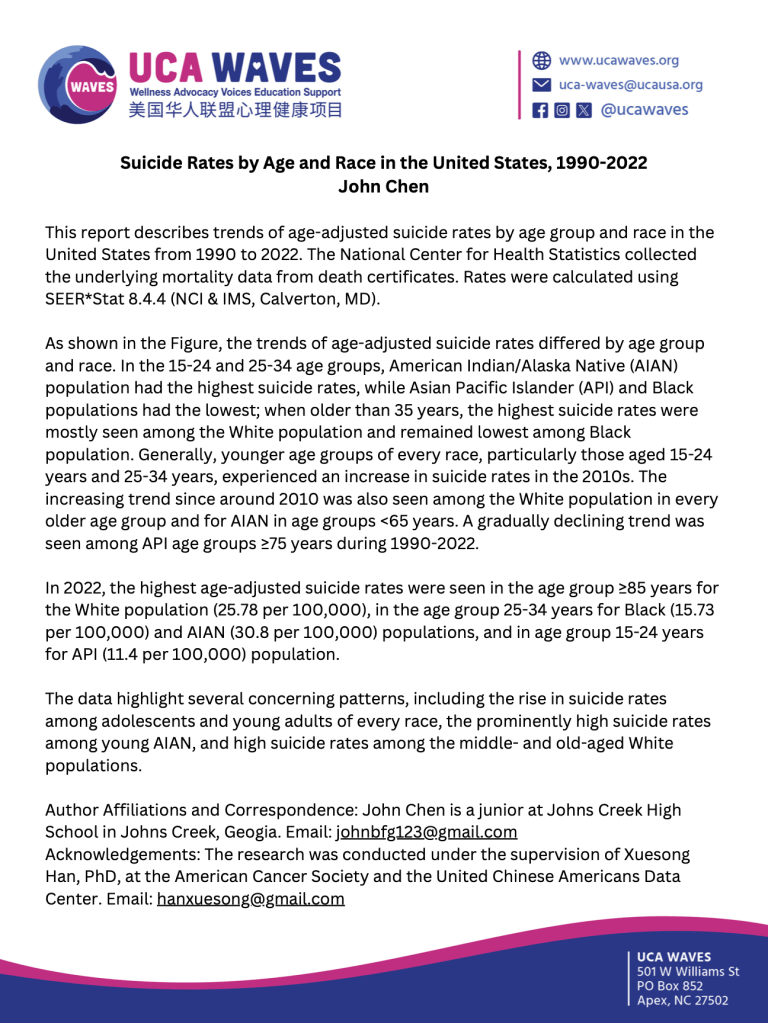
We’re excited to feature a new study on the WAVES Research Corner: a national analysis of suicide trends by age and race from 1990 to 2022—a critical resource for understanding long-term mental health disparities.
Why it matters: This 32-year dataset reveals sharp increases in suicide rates among youth and young adults across all racial groups, with especially high rates among American Indian/Alaska Native (AIAN) youth and older White adults. For Asian Pacific Islanders (API), youth suicide rates have also risen, while older age groups (75+) have seen gradual declines.
What’s Inside:
• National suicide trends broken down by age and race
• Alarming increases among ages 15–34 across all groups
• Highest rates seen among AIAN young adults and White elders
• Notable rise in suicide among API youth aged 15–24
This research, led by high school student John Chen with guidance from the American Cancer Society and UCA Data Center, underscores the urgent need for youth-focused, culturally grounded mental health solutions.
“Research is formalized curiosity. It is poking and prying with a purpose.”
Zora Neale Hurston

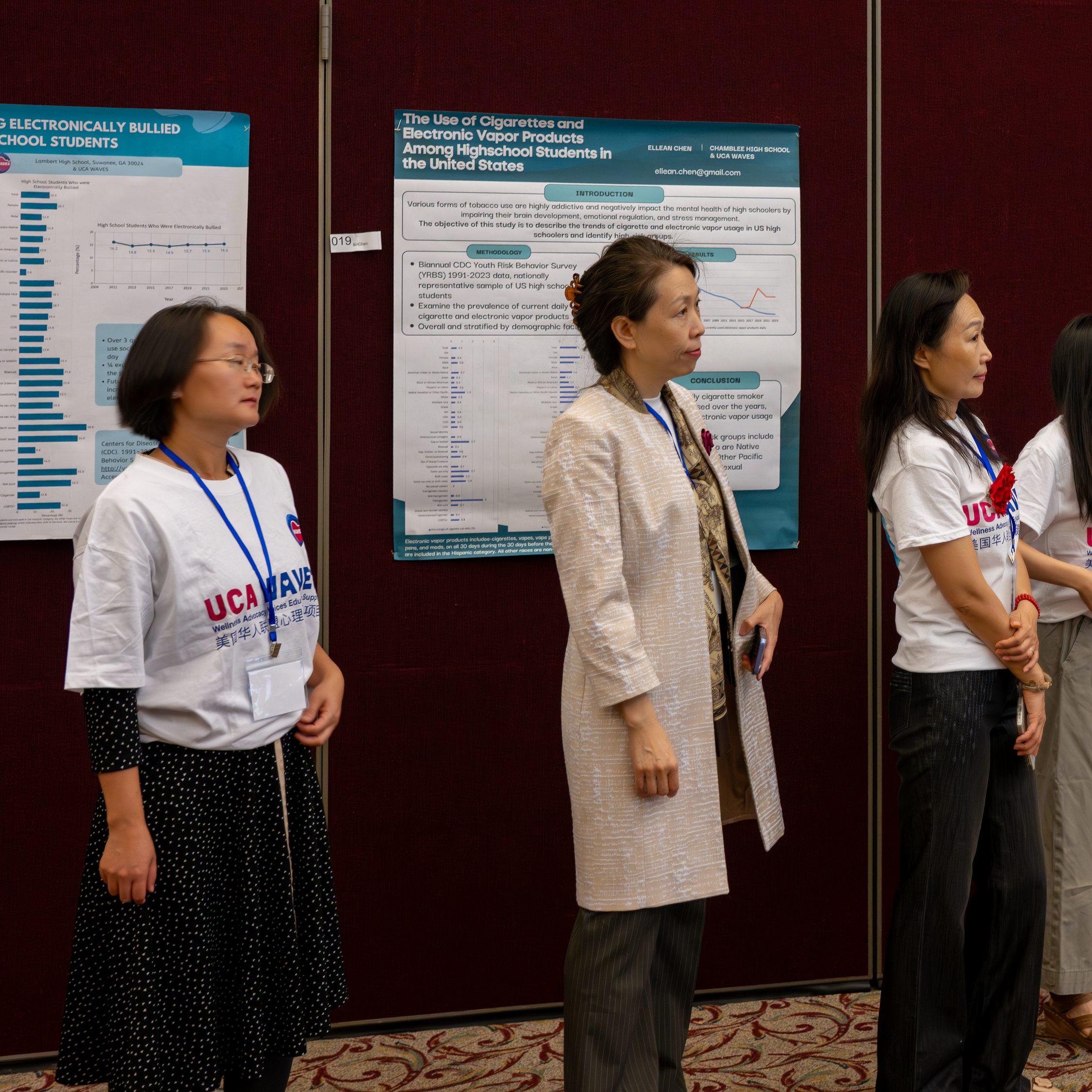
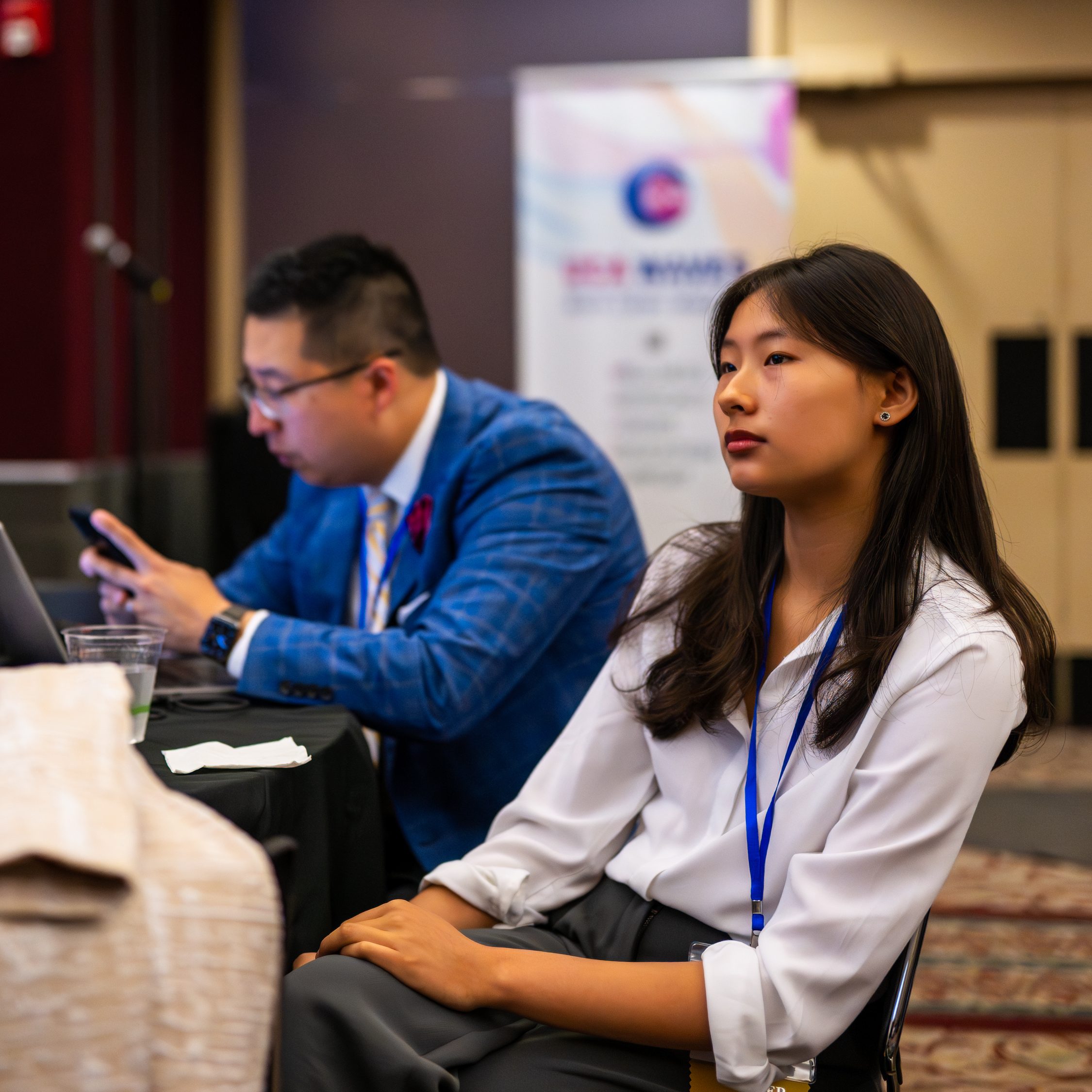
Youth Research at WAVES’ 2025 AAPI Youth Mental Health Conference
Hidden Crisis: Suicide and Mental Health in AAPI Youth
Authors: Runxin (Cece) Gu, Concord Academy, Massachusetts
This project aims to explore the increasing rates of stress and suicide among AAPI youth, with a special focus on the cultural and societal pressures that influence their mental health. Drawing on recent research, including Suicidal thoughts and behaviors among ethnic minority youth in the United States (Lee et al., 2023), as well as data from my own survey of AAPI individuals, the poster shows how academic pressure, cultural expectations, racism, and toxic Asian stereotypes contribute to mental health challenges experienced by most AAPI teens. More importantly, the survey results reveal that almost 86.9% of AAPI youth often feel stressed, while trapped between balancing family obligations with the desire to fit into American society, and also struggling with loneliness and unacknowledged stress. By combining research and firsthand perspectives, this project seeks to raise awareness of the urgency of AAPI youth mental health needs and advocate for greater recognition, understanding, and culturally responsive support.
Suicide Risk Among High School Students in the U.S.
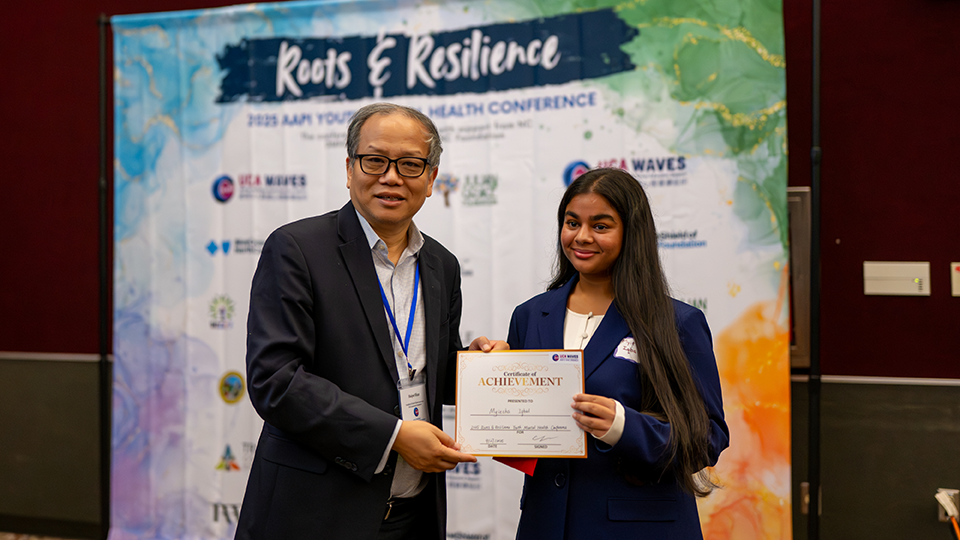
Authors: Myiesha Iqbal, Long Reach High School, Maryland (Youth Merit Awardee)
In the United States, about 59.3% of adults experience mental illness each year (National Institute of Mental Health, n.d.), yet in South Asia, only an estimated 7.5–10% of people are identified as having mental disorders (Naveed et al., 2020). Does this mean South Asians experience greater mental health? Not necessarily. A 2020 study showed that South Asians face high rates of mental issues but rarely seek treatment (Shah, 2022). It was hypothesized that while cultural practices like strong community support and shared traditions may positively influence mental health, the taboos that accompany them can also increase stress, anxiety, and feelings of isolation. To test this, an online survey was completed by 53 men and women with a South Asian background. The countries represented included Bangladesh, Bhutan, India, Pakistan, Nepal, Sri Lanka, the Maldives, and parts of Afghanistan. Most responses (36) were from individuals of Indian background, with Pakistani (14) being the second largest group. The data mostly supported the hypothesis. Many respondents agreed that South Asian culture emphasizes academic success and family support, which they viewed as helpful. However, responses were mixed regarding emotional support and openness about mental health. This suggests that while cultural values foster connection, they can also discourage seeking help. Overall, this study highlights the need for more open mental health conversations in South Asian communities and for culturally sensitive support systems that address both the benefits and drawbacks of traditional values.
Hidd
Authors: Runxin (Cece) Gu, Concord Academy, Massachusetts
This project aims to explore the increasing rates of stress and suicide among AAPI youth, with a special focus on the cultural and societal pressures that influence their mental health. Drawing on recent research, including Suicidal thoughts and behaviors among ethnic minority youth in the United States (Lee et al., 2023), as well as data from my own survey of AAPI individuals, the poster shows how academic pressure, cultural expectations, racism, and toxic Asian stereotypes contribute to mental health challenges experienced by most AAPI teens. More importantly, the survey results reveal that almost 86.9% of AAPI youth often feel stressed, while trapped between balancing family obligations with the desire to fit into American society, and also struggling with loneliness and unacknowledged stress. By combining research and firsthand perspectives, this project seeks to raise awareness of the urgency of AAPI youth mental health needs and advocate for greater recognition, understanding, and culturally responsive support.
Tradition & Taboo: Understanding the Role of South Asian Culture in Mental Health
Authors: Myiesha Iqbal, Long Reach High School, Maryland (Youth Merit Awardee)
In the United States, about 59.3% of adults experience mental illness each year (National Institute of Mental Health, n.d.), yet in South Asia, only an estimated 7.5–10% of people are identified as having mental disorders (Naveed et al., 2020). Does this mean South Asians experience greater mental health? Not necessarily. A 2020 study showed that South Asians face high rates of mental issues but rarely seek treatment (Shah, 2022). It was hypothesized that while cultural practices like strong community support and shared traditions may positively influence mental health, the taboos that accompany them can also increase stress, anxiety, and feelings of isolation. To test this, an online survey was completed by 53 men and women with a South Asian background. The countries represented included Bangladesh, Bhutan, India, Pakistan, Nepal, Sri Lanka, the Maldives, and parts of Afghanistan. Most responses (36) were from individuals of Indian background, with Pakistani (14) being the second largest group. The data mostly supported the hypothesis. Many respondents agreed that South Asian culture emphasizes academic success and family support, which they viewed as helpful. However, responses were mixed regarding emotional support and openness about mental health. This suggests that while cultural values foster connection, they can also discourage seeking help. Overall, this study highlights the need for more open mental health conversations in South Asian communities and for culturally sensitive support systems that address both the benefits and drawbacks of traditional values.
Hidden Crisis: Suicide and Mental Health in AAPI Youth
Authors: Runxin (Cece) Gu, Concord Academy, Massachusetts
This project aims to explore the increasing rates of stress and suicide among AAPI youth, with a special focus on the cultural and societal pressures that influence their mental health. Drawing on recent research, including Suicidal thoughts and behaviors among ethnic minority youth in the United States (Lee et al., 2023), as well as data from my own survey of AAPI individuals, the poster shows how academic pressure, cultural expectations, racism, and toxic Asian stereotypes contribute to mental health challenges experienced by most AAPI teens. More importantly, the survey results reveal that almost 86.9% of AAPI youth often feel stressed, while trapped between balancing family obligations with the desire to fit into American society, and also struggling with loneliness and unacknowledged stress. By combining research and firsthand perspectives, this project seeks to raise awareness of the urgency of AAPI youth mental health needs and advocate for greater recognition, understanding, and culturally responsive support.
Suicide Risk Among High School Students in the U.S.
Authors: Myiesha Iqbal, Long Reach High School, Maryland (Youth Merit Awardee)
In the United States, about 59.3% of adults experience mental illness each year (National Institute of Mental Health, n.d.), yet in South Asia, only an estimated 7.5–10% of people are identified as having mental disorders (Naveed et al., 2020). Does this mean South Asians experience greater mental health? Not necessarily. A 2020 study showed that South Asians face high rates of mental issues but rarely seek treatment (Shah, 2022). It was hypothesized that while cultural practices like strong community support and shared traditions may positively influence mental health, the taboos that accompany them can also increase stress, anxiety, and feelings of isolation. To test this, an online survey was completed by 53 men and women with a South Asian background. The countries represented included Bangladesh, Bhutan, India, Pakistan, Nepal, Sri Lanka, the Maldives, and parts of Afghanistan. Most responses (36) were from individuals of Indian background, with Pakistani (14) being the second largest group. The data mostly supported the hypothesis. Many respondents agreed that South Asian culture emphasizes academic success and family support, which they viewed as helpful. However, responses were mixed regarding emotional support and openness about mental health. This suggests that while cultural values foster connection, they can also discourage seeking help. Overall, this study highlights the need for more open mental health conversations in South Asian communities and for culturally sensitive support systems that address both the benefits and drawbacks of traditional values.
Hidden Crisis: Suicide and Mental Health in AAPI Youth
Authors: Runxin (Cece) Gu, Concord Academy, Massachusetts
This project aims to explore the increasing rates of stress and suicide among AAPI youth, with a special focus on the cultural and societal pressures that influence their mental health. Drawing on recent research, including Suicidal thoughts and behaviors among ethnic minority youth in the United States (Lee et al., 2023), as well as data from my own survey of AAPI individuals, the poster shows how academic pressure, cultural expectations, racism, and toxic Asian stereotypes contribute to mental health challenges experienced by most AAPI teens. More importantly, the survey results reveal that almost 86.9% of AAPI youth often feel stressed, while trapped between balancing family obligations with the desire to fit into American society, and also struggling with loneliness and unacknowledged stress. By combining research and firsthand perspectives, this project seeks to raise awareness of the urgency of AAPI youth mental health needs and advocate for greater recognition, understanding, and culturally responsive support.
Tradition & Taboo: Understanding the Role of South Asian Culture in Mental Health
Authors: Myiesha Iqbal, Long Reach High School, Maryland (Youth Merit Awardee)
In the United States, about 59.3% of adults experience mental illness each year (National Institute of Mental Health, n.d.), yet in South Asia, only an estimated 7.5–10% of people are identified as having mental disorders (Naveed et al., 2020). Does this mean South Asians experience greater mental health? Not necessarily. A 2020 study showed that South Asians face high rates of mental issues but rarely seek treatment (Shah, 2022). It was hypothesized that while cultural practices like strong community support and shared traditions may positively influence mental health, the taboos that accompany them can also increase stress, anxiety, and feelings of isolation. To test this, an online survey was completed by 53 men and women with a South Asian background. The countries represented included Bangladesh, Bhutan, India, Pakistan, Nepal, Sri Lanka, the Maldives, and parts of Afghanistan. Most responses (36) were from individuals of Indian background, with Pakistani (14) being the second largest group. The data mostly supported the hypothesis. Many respondents agreed that South Asian culture emphasizes academic success and family support, which they viewed as helpful. However, responses were mixed regarding emotional support and openness about mental health. This suggests that while cultural values foster connection, they can also discourage seeking help. Overall, this study highlights the need for more open mental health conversations in South Asian communities and for culturally sensitive support systems that address both the benefits and drawbacks of traditional values.
 UCA WAVES