
Honoring PTSD Awareness Month & World Refugee Day
At WAVES, we honor the strength and resilience of Asian refugee communities, many of whom carry invisible wounds from war, displacement, and cultural loss. Through our partnerships and programming, we witness both the enduring impact of trauma and the power of culturally rooted healing. While these stories often highlight perseverance, they also remind us of the urgent need to address trauma that goes unspoken.
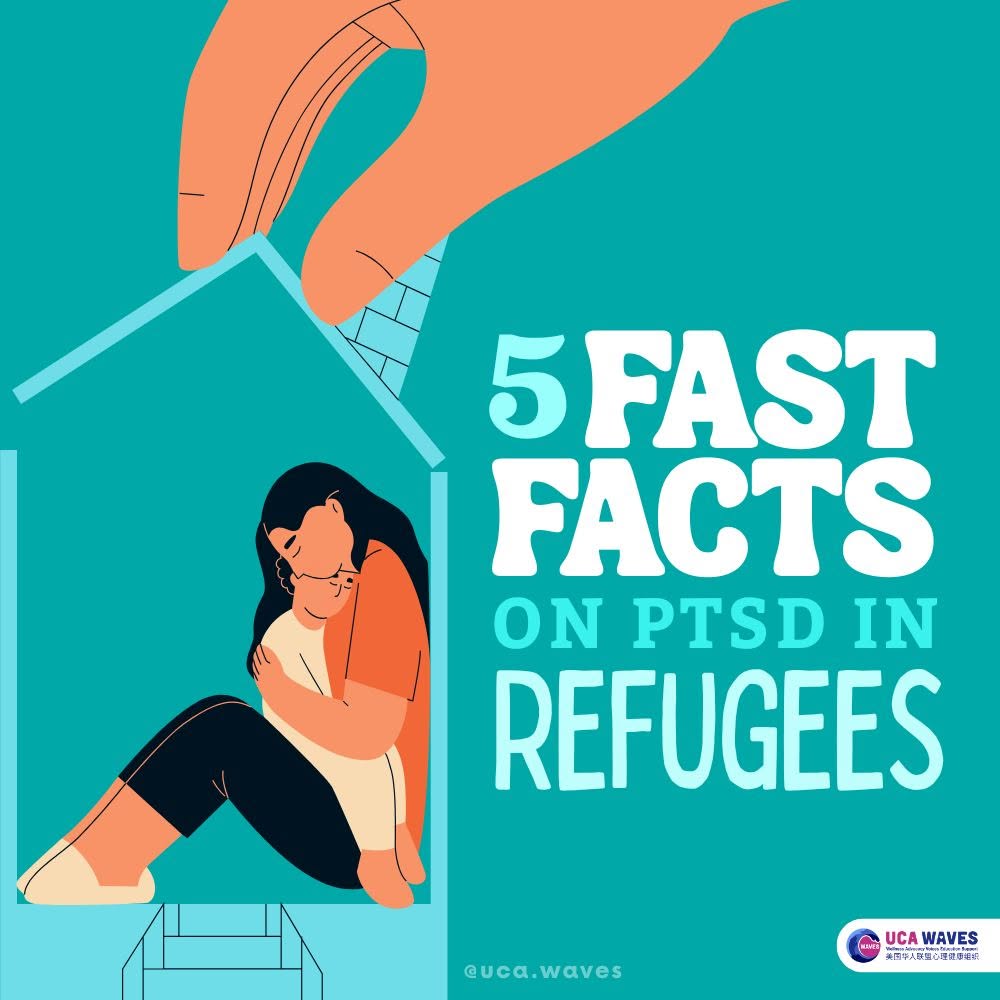
Refugees from Southeast Asia have some of the highest documented rates of PTSD among displaced populations. Yet cultural stigma, language barriers, and limited access to care often leave these wounds untreated. In honor of June being PTSD Awareness Month, here are five fast facts to know about PTSD in refugees:
- 62% of Cambodian refugees in the U.S. meet DSM‑IV criteria for PTSD
- Around 1 in 3 refugees worldwide experience PTSD, anxiety, or depression
- Refugee children face trauma that can hinder healthy development
- Trauma can manifest in culturally specific ways (e.g., khyâl attacks among Cambodians)
- A meta-analysis across 15 countries found PTSD affects about 31.5% of adult refugees and asylum seekers, with symptoms often enduring long after resettlement
With everything going on in the world and the number of people facing displacement, it’s easy to get overwhelmed, but you can still make a difference. You can support healing by openly discussing PTSD to reduce stigma and advocating for culturally informed care that combines traditional healing with trauma-focused therapy. Or consider supporting policies that improve access to interpreters and fund trauma-informed community care, as well as backing refugee-led programs offering peer support and culturally grounded healing practices.
This PTSD Awareness Month, let’s join WAVES in lifting up refugee voices, reducing stigma, and building pathways to healing that honor cultural identity and lived experience.


Leave a Reply