
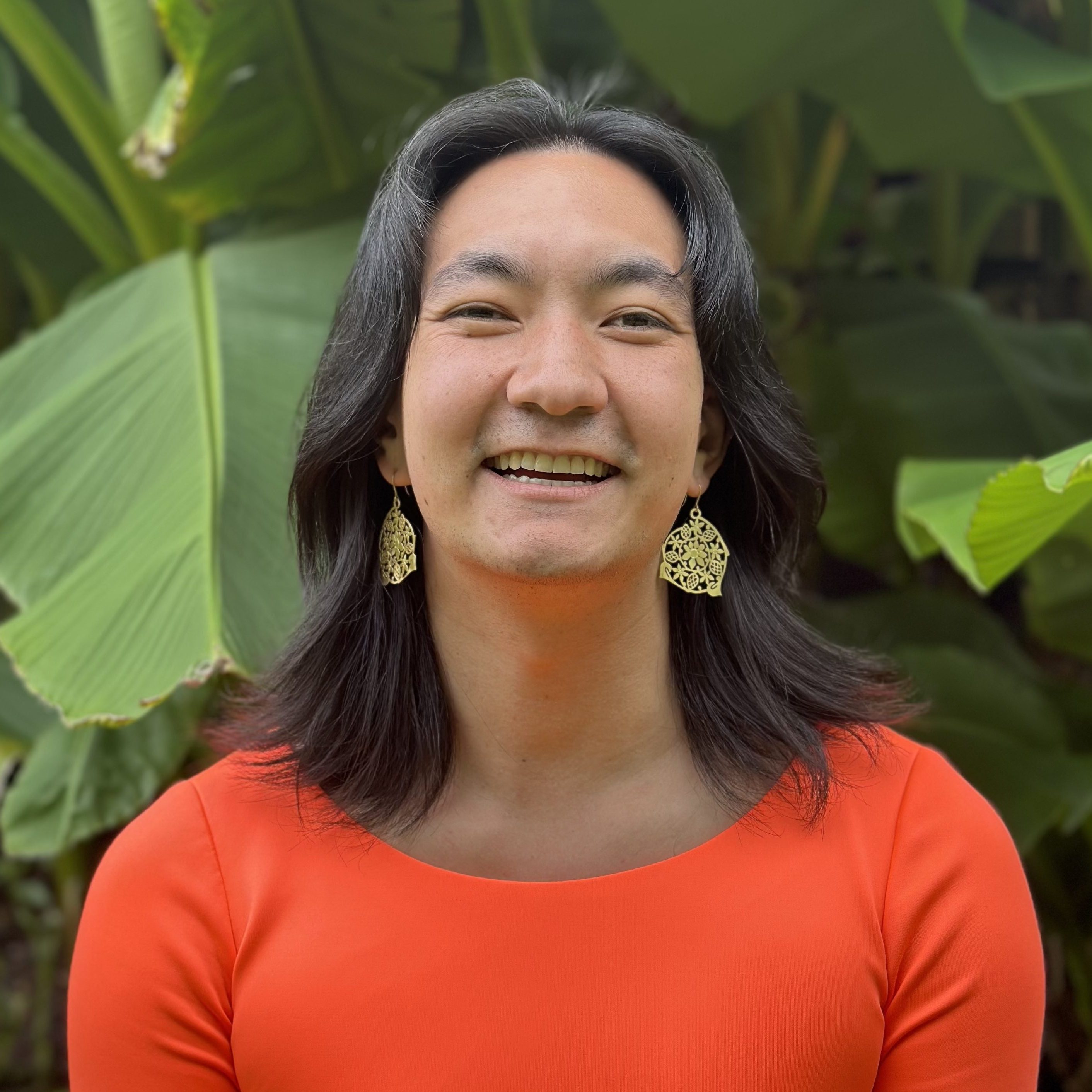
Reid Bowman, MPH, CHES
Outreach & Program Manager
Our Team: Reid Bowman
Reid Bowman, MPH, CHES (they/them) is a public health professional, educator, and advocate with a strong foundation in mental health promotion, sexual violence prevention, and trauma-informed care. They hold a Master of Public Health in Health Behavior from the UNC Gillings School of Global Public Health and dual undergraduate degrees in Public Health and Psychology from Tulane University.
Reid most recently served as Program Manager at NAMI Wake County, where they expanded and strengthened the organization’s mental health programming across Wake County. They led volunteer teams, brought youth mental health presentations to Wake County high schools, and cultivated partnerships to increase culturally responsive outreach. Reid also collaborated on updates to group safety protocols and facilitator guidelines in an effort to protect participants and facilitators alike.
Previously, Reid worked with the Orange County Rape Crisis Center, where they played a central role in the redevelopment and expansion of the SafeTouch™ child sexual abuse prevention curriculum. With the help of their mentor, Sol Pederson, they created a comprehensive facilitator manual, incorporating the latest research on child development, trauma-informed pedagogy, and prevention strategies. Reid also co-authored a literature review and updated data on the prevalence and impact of child sexual abuse, addressing common myths and barriers to reporting. To prepare educators to deliver the program, they designed and led a virtual training seminar focused on practical facilitation skills for PreK–5th grade classrooms, helping bring the program to schools and youth-programs across North Carolina.
Reid is a Certified Health Education Specialist (CHES), trained in human subjects research, and skilled in both qualitative and quantitative data collection, analysis, and storytelling. They are passionate about inclusive program design, community partnerships, and creating safe, healing-centered spaces for all.
They believe deeply in the power of education and empathy to drive systemic change.
 UCA WAVES