

Celebrating Student Research
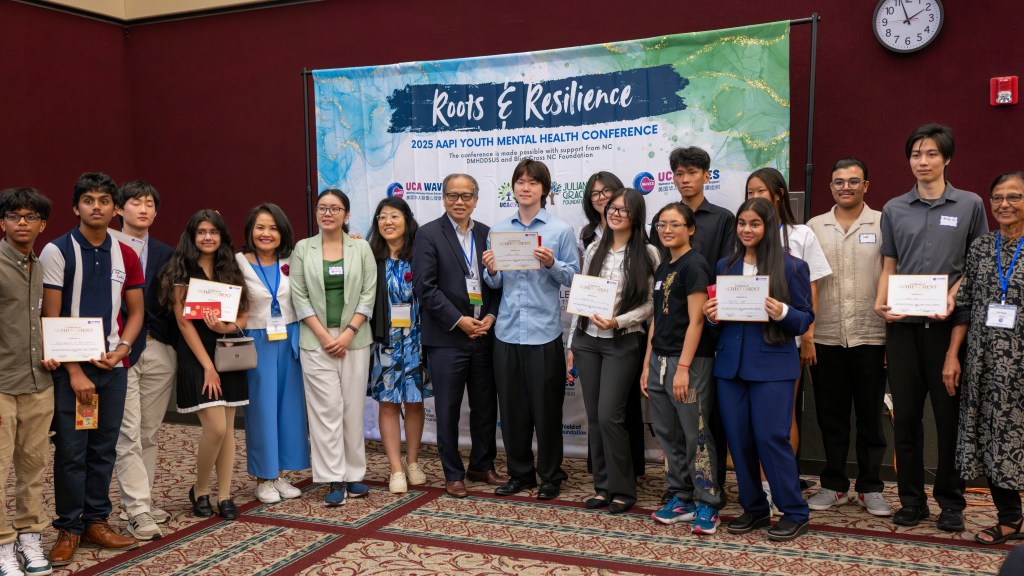
Last month at the Roots & Resilience conference, we were inspired by the remarkable student researchers and youth presenters who shared their voices, creativity, and data-driven insights as part of our “Healing in Action” session. Both the areas of focus and the means of presentation were diverse in nature, from innovative studies on suicide prevention, cultural stigma, and digital well-being to art, film, and community projects centered on healing and resilience.
A big part of what we do at WAVES is research—it lights the way for what work needs to be done. Being able to not only encourage that passion in the next generation, but to create space for them to share their work is among our deepest honors.
Below, you can check out the various projects that were presented at Roots & Resilience, organized into three categories: Creative Exhibitions, Research Projects, and Community Projects. We can’t wait to weave these projects more deeply into our website…stay tuned!

Creative Exhibitions
Word of Love: Brushes for the Youth
Presenter: Jian Xie, Asian Culture And Education Society USA, Taxes
Abstract: Through art, we share love, remembrance, and the enduring spirit of all young lives lost too soon. The art exhibition from the Asian Culture and Education Society USA features 20 artworks, including “Ocean Heart” by Cecelia Zhang, “The Little Healer” by Zijing Chu, “Shamanism: Echoes of the Ancients” by Yi Luo, “We Rise from Ashes” by Bocheng Hua (Bonnie), “Where the Sunflower Sees Me” by Yingyue Wang, “Stars” by Anya Liu, “Love” by Meihua Zhou, “Bravery” by Catherine Wu, “Missing” by Jason Li, “Quiet” by Avery Yuan, “In Memories” by Parker Shu, “Blue” by Yongchen Long, “Sunny” by Melanie Bai, “Shark” by Erin Sun, “Car” by Ye Feng, “Girl” by Emma Guo, “Sea” by Isabel Sun, “Breaking” by Allison Zexi Pan, “Dog” by Julian Liu, and “Color” by Asher Pengxi Pan.
Voices
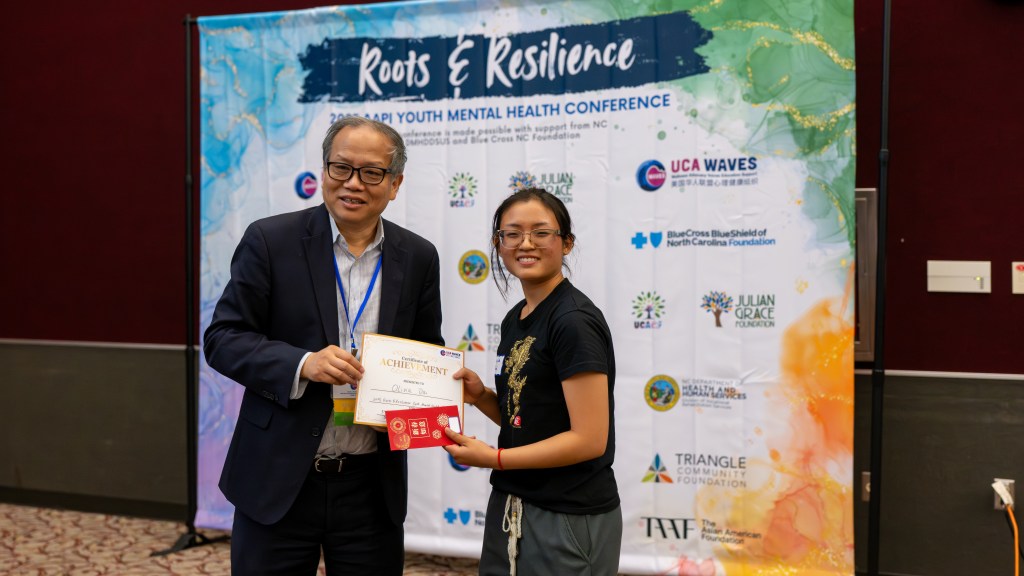
Author & Presenter: Olivia Dai, Newark Academy, New Jersey (Youth Merit Awardee)
Abstract: Our project aims to shed light on the overlooked mental health struggles of Asian American youth through a short film inspired by the documentary Silent War. Many Asian American teenagers face intense pressure to succeed, driven by cultural stereotypes and family expectations, yet have few outlets to express stress or seek help. This leads to burnout, isolation, and silent suffering that parents often deny or overlook. Often times, this is due to a generational gap in understanding between parents and children. To address this crisis, we will interview 50–60 Asian Americans — including students, parents, experts, and educators — to explore their diverse experiences and perspectives. Our goal is to craft a 10–20-minute creative video to recognize their stories and spread awareness about their situations. Combining our skills in writing and art, we will present these stories in a unique and compelling way, with animated text and art visuals. By sharing this film at community events and libraries, especially during Pacific Islander and Asian American Heritage Month, we hope to spark conversation, reduce stigma, and help Asian American youth feel seen, heard, and supported.
From Solitary Struggles to Shared Solutions: Movement-Based Peer Leadership for AAPI Youth Mental Wellness
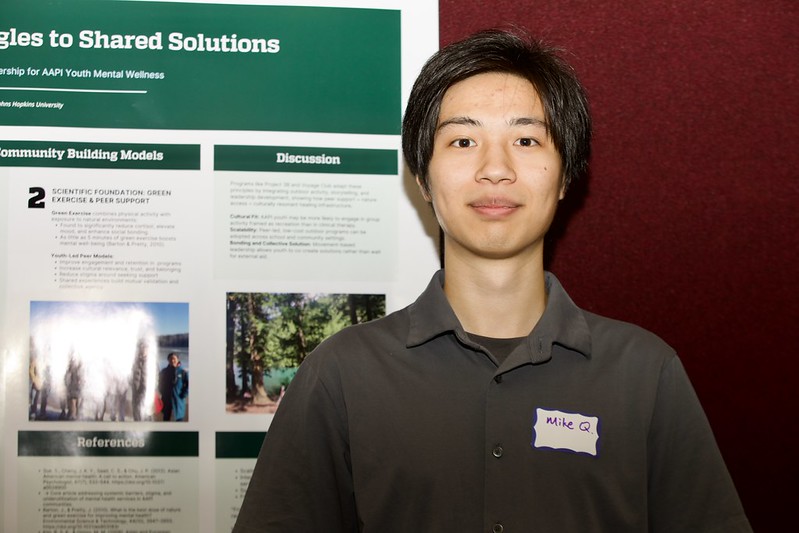
Author & Presenter: Mike Qiu, Johns Hopkins University, Maryland (Youth Merit Awardee)
Abstract: Many AAPI youth face complex mental health challenges exacerbated by cultural transitions, stigma, and a lack of representation in traditional care systems. As a first-generation AAPI youth, I have experienced these struggles and found healing through community, movement, and connection to nature. This project shares my journey and introduces a peer-led, movement-based approach designed to support the mental well-being of first-gen and international AAPI youth. Through nature walks, reflective art practices, and peer mentorship, our initiative creates safe spaces that foster belonging, emotional awareness, and resilience. Drawing from research in outdoor exercise, cultural psychology, and peer support models, we show how culturally responsive, community-rooted practices can help young people navigate mental health challenges in ways that honor their identity and community.
Fractured
Author & Presenter: Runxin (Cece) Gu, Concord Academy, Massachusetts
Abstract: This artwork explores the pressures faced by AAPI youth as they navigate identity, academic expectations, and the struggle for belonging. The central figure, dressed in traditional Chinese clothing (qipao), appears cracked and fragile, symbolizing how cultural expectations and the weight of academic performance can fracture one’s sense of self. The glowing energy flowing from her eyes represents the resilience, emotion, and hidden strength shown when external pressures threaten to break the surface. Stacked books, such as one reading “Socializing 101”, emphasize the expectation to excel academically and socially, while also highlighting the cultural silence around mental health struggles. This piece aims to create space for dialogue on the importance of addressing mental health struggles within the AAPI community while validating the lived experiences of young people balancing various pressures.
Thank God, My Son Is a Boy Again
Author & Presenter: Maggie Li Zhang, Talking to Maggie, LLC, Tennessee
Abstract: In this video, I was having a conversation with a mom whose 18 year old son identified himself as transgender and had been taking hormone for two years. Based on the information provided by the parents, the couple had a very bad relationship, and they fought almost on a daily basis. The son and daughter felt their parents were very controlling; and the mom felt the children were ungrateful and irresponsible because the parents paid for everything for them, but they were never satisfied and were not even attending school.
Ever since the family started working with us, we helped the husband and wife work out their conflicts and reduced fighting between them. We also encouraged the parents to celebrate special occasions like birthdays and holidays, which they never did.
In the conversation, the mom shared with me happily that the son wanted to cook Thanksgiving dinner for the entire family for the first time; he also told his parents that since he felt so loved by his parents, he wanted to do something nice for his parents, too, which was to stop taking hormones. The son also got a haircut and mom felt he looked exactly like a boy again.
The mom was a Christian, she thanked God again and again in the video for sending me to help her. Later, the mom told us both kids were back in college.
Breaking Away: Dance Poetry on Mental Health
Author & Presenter: Aditi Ediga, Panther Creek High School, North Carolina (Youth Merit Awardee)
Abstract: This video project consists of Indian classical dance (Bharatanatyam) and spoken word poetry to explore AAPI mental health, especially the burden that falls on individuals. This piece is inspired by my own lived experiences with mental health and cultural stigma. Through movement and word, hope & voice is given to others who are trying to heal from emotional struggles, a lack of honest conversation, and the fear of being seen as “broken” as prescribed by cultural expectations. This piece calls for destigmatizing vulnerability to call for voices that break away from the silence.



Research Projects
Hidden Crisis: Suicide and Mental Health in AAPI Youth
Author: Runxin (Cece) Gu, Concord Academy, Massachusetts
Abstract: This project aims to explore the increasing rates of stress and suicide among AAPI youth, with a special focus on the cultural and societal pressures that influence their mental health. Drawing on recent research, including Suicidal thoughts and behaviors among ethnic minority youth in the United States (Lee et al., 2023), as well as data from my own survey of AAPI individuals, the poster shows how academic pressure, cultural expectations, racism, and toxic Asian stereotypes contribute to mental health challenges experienced by most AAPI teens. More importantly, the survey results reveal that almost 86.9% of AAPI youth often feel stressed, while trapped between balancing family obligations with the desire to fit into American society, and also struggling with loneliness and unacknowledged stress. By combining research and firsthand perspectives, this project seeks to raise awareness of the urgency of AAPI youth mental health needs and advocate for greater recognition, understanding, and culturally responsive support.
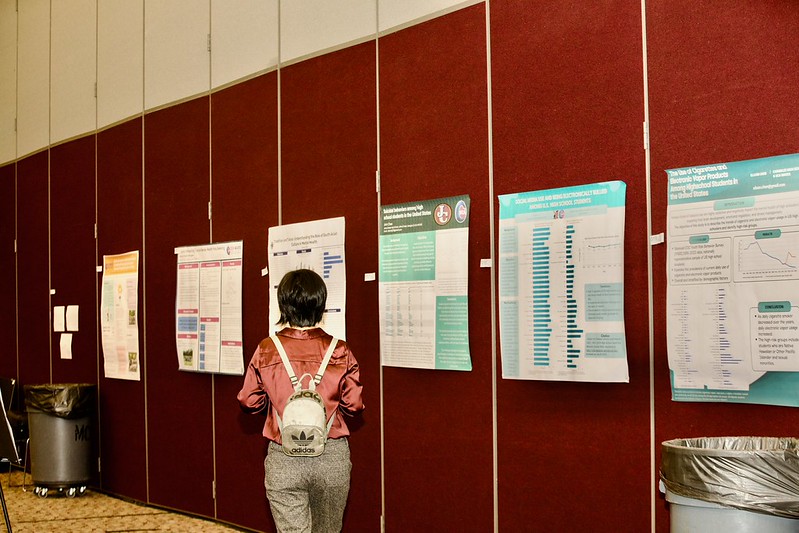
Suicide Risk Among High School Students in the U.S.
Author: John Chen, Johns Creek High School, Georgia (Youth Merit Awardee)
Abstract: Background: Suicidal behavior and ideation among high school students are a significant public health concern. Based on a nationally representative survey of high school students in the US, this study examines the prevalence of four suicide risk indicators.
Methods: We used data from the 1991-2023 national biennial Youth Risk Behavior Survey (YRBS) for over 250,000 students. Four measures of suicide risk indicators were examined: seriously considered suicide, planned suicide, attempted suicide, and medically injurious attempt. Prevalence was examined by survey year for the total sample and by subpopulations of research interest.
Results: From 1991 to 2009, serious suicidal consideration and planning decreased steadily from 29 to 13.8 percent and from 18.6 to 10.9 percent, respectively. Still, each also increased again after 2011, reaching its peak in the years 2019–2021, and dropping slightly in 2023 (20.4 and 16.4 percent, respectively). Rates of attempted suicide and harmful attempts were around level in the three decades, with slight increases in recent years only (9.5 and 2.3 percent, respectively, in 2023). The highest prevalence of suicide measures was seen among female, LGBTQ+, and American Indian/Alaska Native subpopulations, with no specific grade level.
Conclusion: Suicidal thoughts and plans among U.S. high school students have increased dramatically over the past decade, suggesting an increase in psychological distress in adolescents and an urgent need for intervention strategies, especially for high-risk subgroups.
Social media use and being electronically bullied among U.S. High School Students
Author & Presenter: Sabrina Ye, Lambert High School, Georgia (Youth Merit Awardee)
Abstract:
Background: Social media use is increasingly linked to negative effects on youth mental health and exposes youths to cyberbullying. The purpose of this study is to examine social media usage and experience of being electronically bullied among a nationally representative sample of U.S. high school students.
Methods: We gathered information from CDC’s 2023 Youth Risk Behavior Survey (YRBS), which monitors health behaviors and experiences of American youth. This study examines the percentages of high school students who used social media at least several times a day and those who were electronically bullied ever during the past 12 months, overall and by subpopulations.
Results: Among over 20,000 high school participants in 2023, 77.0% used social media at least several times a day, and 16.3% reported being electronically bullied in the past 12 months. Female students were more likely to use social media frequently (81.8% v 72.9%) and experience electronic bullying (20.7% v 12.0%) than male students. Frequent social media use was prevalent across racial/ethnic groups (75% – 78%) and large variations in electronic bullying was observed with the prevalence of 19.6% for White, 12.9% for Asian, 10.8% for Black, and 3.6% for Hawaiian or other Pacific Islander students.
Conclusion: Over 3 quarters of US high school students use social media at least several times daily, and ⅙ experienced electronic bullying during the past year. Future research is warranted to elucidate their impacts on youth mental health and wellbeing.
Use of cigarettes and electronic vapor products among high school students in the United States
Author & Presenter: Ellean Chen, Chamblee High School, Georgia (Youth Merit Awardee)
Abstract:
Background: Various forms of tobacco use are highly addictive and negatively impact the mental health of high schoolers by impairing their brain development, emotional regulation, and stress management.
Objective: To describe the trends of cigarette and electronic vapor usage in United States high schoolers and identify high-risk groups.
Methods: This study uses data from the biannual CDC Youth Risk Behavior Survey (YRBS) 1991-2023 to examine the prevalence of current daily use of cigarette and electronic vapor products, among a nationally representative sample of US high school students, overall and stratified by demographic factors.
Results: In 1991, 9.8% of high schoolers smoked cigarettes daily; the prevalence peaked in 1999 at 12.8% and gradually decreased to 0.5% in 2023. In 2015, the first-year electronic vapor usage was measured, 2% of high schoolers used electronic vapor products daily; it peaked in 2019 at 7.2% and decreased to 5.0% in 2023. In 2023, daily cigarette use was most prevalent among Native Hawaiian or Other Pacific Islander (1.3%), gay/lesbian (1.7%), and transgender (3.0%) high school students; daily electronic vapor product use was most prevalent among students who were female (5.9%), White (6.5%), 12th grade (6.9%), bisexual (8.6%), or transgender (7.0%).
Conclusion: As daily cigarette smokers decreased over the years, daily electronic vapor usage increased. The high-risk groups for these two forms of tobacco-use overlap partially, underscoring the need for tailored, community-specific intervention programs.
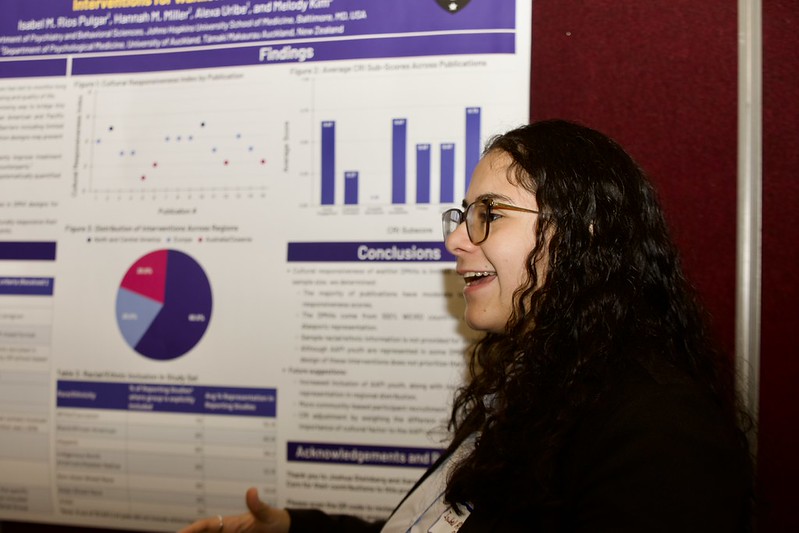
Bridging the Gap: Cultural Responsiveness in Digital Mental Health Interventions for Waitlisted Youth
Authors: Isabel Rios Pulgar (Presenter), Hannah M. Miller (Presenter), Alexa Uribe, and Melody Kim, Johns Hopkins University, Maryland
Abstract: The purpose of this project is to examine whether waitlist-bridge interventions—especially digital ones—are culturally responsive to AAPI youth. Using a systematic review codebook for youth waitlist interventions from 2008 to the present, we will quantify (a) representation of Asian/AAPI youth, (b) whether designs reflect family/collectivist contexts (caregiver contact, group vs individual), (c) accessibility factors (school vs clinic recruitment; smartphone/web delivery; self-guided vs clinician-assisted), and (d) evidence quality and usability/credibility for AAPI participants. We will compare WEIRD vs non-WEIRD countries and test whether culturally aligned features predict engagement and symptom gains. Findings from this project will identify concrete design gaps and high-yield adaptations for AAPI youth on waitlists for mental health treatment.
Happiness in East Asia: The Intersection of Gender Role Attitudes and Domestic Labor for Men vs Women
Author & Presenter: Marybella Zhang, Johns Hopkins University, Maryland (Youth Merit Awardee)
Abstract: Gender role attitudes and division of household labor have shown mixed relationships to partners’ quality of life. However, most prior research on these topics explored Western populations, where norms surrounding gender roles may be evolving differently than in East Asian cultural settings.
To address this limitation, we examined how gender, gender role attitudes, and housework frequency interactively affected the marital satisfaction and subjective well-being (SWB) of 6466 spouses from China, South Korea, Japan, and Taiwan, using the 2016-2018 East Asia Social Survey. All models controlled for education, employment status, and age. Hierarchical model comparisons show that neither gender role ideology, housework frequency, nor gender alone could explain variations in well-being above the effects of demographic factors; only interactions could.
For women who did housework less frequently than average, endorsement of gender egalitarianism predicted higher marital satisfaction and SWB, but for women who did housework more frequently than average, gender egalitarianism predicted lower marital satisfaction and SWB. For women with lower than average endorsement of gender egalitarianism, housework frequency predicted higher marital satisfaction and SWB. For men, neither gender egalitarianism, housework frequency, nor their combinations had significant effect on well-being.
These findings suggest that in East Asian population, well-being effects of women’s (but not men’s) gender role attitudes or domestic roles depend on the alignment between the two, while men with egalitarian spouses could contribute to their spouses’ well-being and improve their marriage by sharing more housework, and that would not necessarily hurt their own well-being regardless of their gender role ideology.
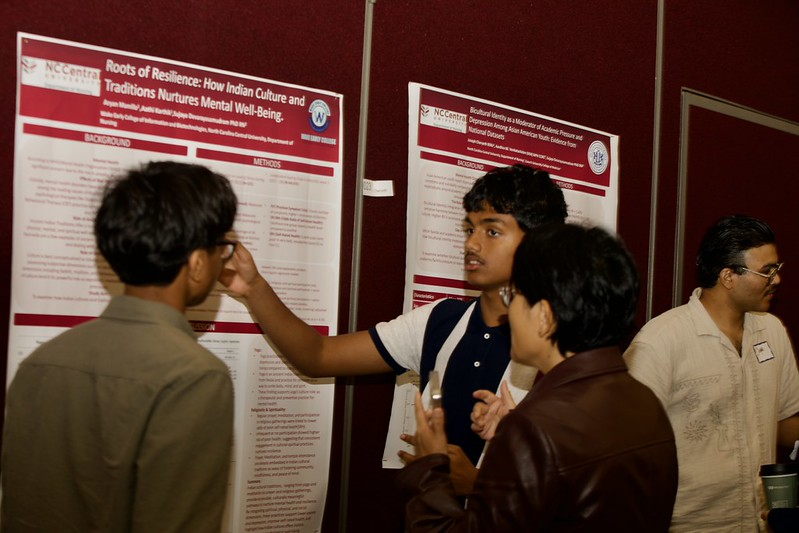
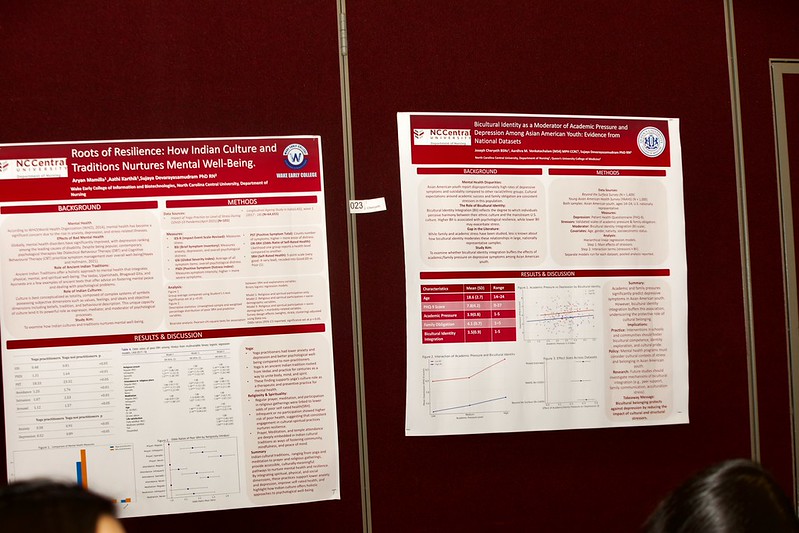
Roots of Resilience: How Indian Culture Nurtures Mental Health
Authors: Aryan Mamilla (Presenter, Youth Merit Awardee), Aathi Karthik (Presenter, Youth Merit Awardee), Sujayalakshmi Devarayasamudram, Wake Early College of Information and Biotechnologies (WECIB) and North Carolina Central University, North Carolina
Abstract: Indian culture supports mental health through a rich combination of family, community, spirituality, and tradition. Strong family and community bonds create a sense of belonging and provide emotional support during times of stress. Spirituality and faith expressed in practices such as yoga, meditation, and prayer encourage inner peace and resilience. Ayurveda highlights the connection between body and mind, offering holistic approaches to balance and healing. Daily practices like eating together as a family reinforce unity and stability, while art, music, and dance provide powerful forms of expression and emotional release. Seva, or community service, cultivates empathy and purpose, strengthening social ties and reducing isolation. Food rituals, festivals, and cultural traditions further reinforce identity and continuity across generations. Together, these elements illustrate how Indian culture weaves mind, body, and spirit into everyday life, nurturing resilience and promoting long-term mental well-being. I will be doing a research project highlighting these effects on mental health.
Bicultural Identity as a Moderator of Academic Pressure and Depression Among Asian American
Authors: Joseph Cheryeth (Presenter, Youth Merit Awardee), Aardhra M. Venkatachalam, Sujayalakshmi Devarayasamudram, North Carolina Central University, North Carolina and Queen’s University College of Medicine, Barbados
Abstract: Asian American youth report among the highest levels of depressive symptoms and suicidality, often linked to family expectations and academic stress. Using nationally representative data from the Beyond the Surface (N=1,409) and Young Asian American Health Survey (N=1,000), we tested whether bicultural identity integration moderates the relationship between family obligation/academic pressure and depressive symptoms (PHQ-9 scores). Preliminary analyses suggest that while academic and family-related pressures are positively associated with depression (β = 0.32, p < .001), this effect is significantly attenuated among youth who report high levels of bicultural identity integration (interaction β = –0.15, p = .01). These findings highlight the protective role of bicultural belonging in mitigating the mental health consequences of structural and cultural stressors and suggest that school- and community-based interventions fostering bicultural competence may reduce depression and suicidality in Asian American youth.
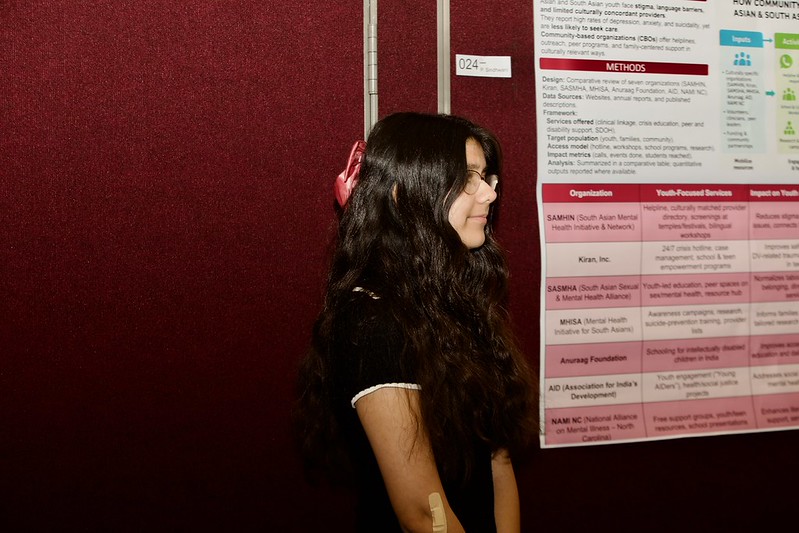
From Stigma Support: Empowering AAPI Youth Through Resources
Authors: Pihu Sindhwani (Presenter, Youth Merit Awardee), Sujayalakshmi Devarayasamudram, Enloe Magnet High School and North Carolina Central University, North Carolina
Abstract: My Project will give information and resources on and for mental health, in an attempt to reduce the shame and negative stigma associated with mental illness in Asian American Pacific Islanders. My project will give practical strategies to engage with mental health and make adults/parents understand that their child’s and their own mental health needs are not something to be dismissed, and that it is not the child’s or their fault for developing them. I also hope to reduce the belief that mental disorders such as autism or attention deficit/hyperactivity disorder (ADHD) do not make a child less intelligent or capable than their peers. I hope that by the end parents feel more comfortable talking to their children about mental illness and the youth feel more comfortable reaching out.
The Impact of STEM Expectations on AAPI Students
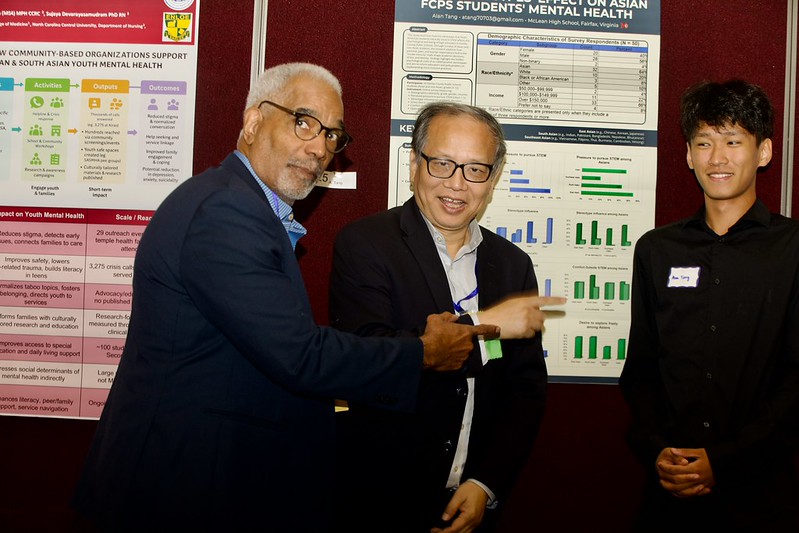
Author & Presenter: Alan Tang, McLean High School, Virginia (Youth Merit Awardee)
Abstract: This study aims to investigate how the prominent stereotype that Asian American students naturally excel in science, technology, engineering, and mathematics (STEM) influences the psychological well-being of high school students within Fairfax County Public Schools (FCPS).
While often viewed as a beneficial stereotype, the belief that Asian American students are inherently gifted in STEM imposes expectations that distort self-identity and raise stress and anxiety levels. This stereotype is part of the broader “model minority” myth, which narrows the diverse experiences of Asian American communities. The objective of this research is to dispel that narrative and examine how such expectations—whether imposed by parents, teachers, peers, or students themselves—affect mental health outcomes in Asian American students during a critical stage of their development.
The questionnaire attached to this study will collect both quantitative and qualitative data from high school students of Asian and non-Asian backgrounds. However, there is a primary focus on those who identify as Asian American or Pacific Islander. The survey gathers demographic information, academic interests, experiences with academic pressure, perceptions of STEM-related expectations, and self-reported indicators of emotional well-being. It also includes open-ended questions to better understand personal narratives. Lastly, it compares the results of both student groups (Asian and non-Asian) to see if there are differences in the observed trends.
Ultimately, the goal of this research is to inform educators and policymakers of the often-overlooked psychological costs of so-called “positive” stereotypes on Asian Americans and to encourage more inclusive educational practices.
Communication and Closeness: Key Predictors of Mental Health in Chinese American Immigrant Youth
Authors: Hua Lin (Presenter), Xu Yan (Presenter), Ronald Cox, Robert Larzelere, Oklahoma State University, Oklahoma
Abstract:
Introduction: Second-generation Asian American Immigrants (AAIs) are twice as likely to experience mental health problems (MHPs) as first-generation AAIs. This is concerning given AAIs are the fastest-growing immigrant group in the U.S.; their population nearly doubled between 2000–2019 and is projected to reach 46 million by 2060. Research shows that second-generation Chinese American youth often lose their heritage language, 93% report speaking only English at home, while their parents make modest English gains. This mismatch reduces parent-youth communication, creating Shared Language Erosion (SLE) (Cox et al., 2021). SLE undermines relationship closeness and increases risk for youth MHPs. This study examined whether parent-youth closeness mediates the link between SLE and MHPs in Chinese American youth.
Methods: Participants were Chinese American adolescents (N = 59; grades 6 -12) from the National Longitudinal Study of Adolescent to Adult Health. Youth were 51% female, 73% U.S.-born, and 30% reported speaking a non-English language at home. Measures included parent-youth communication, depression, suicidal thoughts, and closeness, using standardized scales (e.g., Family Bond Scale; CES-D, α = .96).
Results & Conclusions: Parent-youth communication was associated with lower depression (r = -.28, p = .03) and higher closeness (r = .51, p < .001). Closeness mediated effects on depression (a × b = -.09) and suicidal thoughts (a × b = -.64, ORab = 0.53). Findings provide preliminary evidence that SLE poses risk for Chinese American youth mental health through reduced parent-youth closeness.
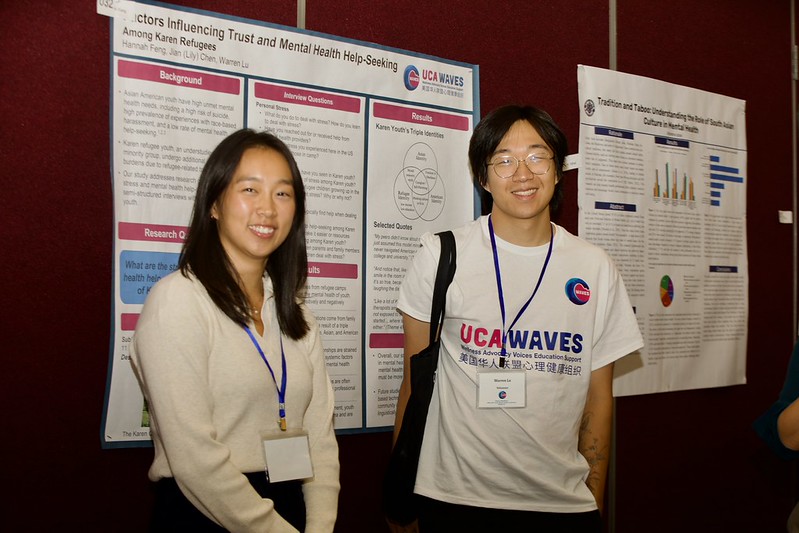
Factors Influencing Stress and Mental Health Help-Seeking Among Karen Refugees
Authors: Hannah Feng (Presenter, Youth Merit Awardee), Warren Lu (Presenter), Cheryl Giscombe, Jada L. Brooks, Pao-Hwa Lin, Jessica Williams, Ya-Ke “Grace” Wu, Htoo Saw Ywa, Jian “Lily” Chen, Fordham University, New York and UCA WAVES, North Carolina
Abstract: AAPI youth have poor mental health outcomes, including some of the highest suicide rates and lowest rates of help-seeking among all racial groups in the US. Among AAPI refugee youth, these needs are further exacerbated by resettlement challenges, trauma, and low-income status. This project seeks to fill the AAPI youth mental health research gap by interviewing 13 Karen parents and youth from North Carolina to better understand factors impacting youth’s stress and mental health help-seeking. The interviews revealed four major themes for parents and five major themes for youth. The poster will focus on and specifically discuss Karen parents’ experiences in role changes before and after resettlement, youth experiences navigating triple identities as Asian-American Refugees, and the comparison between parent and youth experiences in the mental health landscape. The poster will also offer recommendations on ways to help mitigate the parent-child disconnect described in the research and suggest future initiatives that should be developed to support Karen youth mental health.


Community Projects
Preventive Health Care Services for Individuals with Autism in Asian American Communities
Authors: Alex Zhao (Presenter, Youth Merit Awardee), Jia Wang, Ye Qiao, Chinese Parents Association of the Baltimore Community, Maryland
Abstract: Our objective is to evaluate disparities in preventive health care services within the Asian American community, particularly among individuals with autism spectrum disorder (ASD), who face elevated risks of co-occurring health and psychiatric conditions as well as early mortality. Despite these needs, disability-specific surveillance data are limited, and Asian Americans are often underrepresented in existing research. Cultural stigma and language barriers further complicate access to care. To address these challenges, we established a partnership between Johns Hopkins University (JHU) and the Chinese American Parents of Children with Autism to build a collaborative research network focused on health care disparities. Specific Aim 1 is to establish an academic–community partnership infrastructure to conduct community-driven research, and Specific Aim 2 is to design and implement a culturally adapted preventive health care questionnaire to compare responses between families with and without ASD. This project will engage community members directly, promote equitable access to care, and generate preliminary data for future externally funded studies. This is an ongoing project and funded by JHU CCC CCC CEnR Grant (Community-Engaged Research).
PUSH
Author & Presenter: Noreen Majeed, Raleigh Charter High School, North Carolina (Youth Merit Awardee)
Abstract: In today’s world, mental health challenges are exponentially rising leaving no race, age, or gender behind. This crisis doesn’t discriminate. But the most powerful intervention isn’t clinical or therapeutic- it’s human. PUSH is a nonprofit rooted in a singular belief: real connection heals.
Our model pairs youth with individuals experiencing mental health challenges- whether that be a fellow teen, an adult, or a senior. From those navigating anxiety, depression, or loneliness, PUSH offers sustained, compassionate relationships. Volunteers and “patients” communicate via text or call, as often as feels right for them. The best part? Flexibility. PUSH adapts to every need- whether it’s a patient with Alzheimer’s needing a daily reminder or a teen needing someone to vent once a week.
This isn’t therapy. It’s about showing up. Listening. Being present. Things many of us take as a privilege but for others, it’s life changing. PUSH empowers youth to be more than bystanders to suffering. They become advocates, supporters, and empathetic humans. This symbiotic connection fosters compassion in youth while addressing isolation and disparities across communities.
Our presentation will share PUSH’s origin, evolving mission, and our rooted belief: connection is care. When systems fall short, people can still show up. PUSH isn’t just a program- it’s a movement.
The Power of Simplicity: Mental Wellness in Youth Spaces
Author: Niang Nuam, STEM Prep High School, Tennessee
Abstract: Methods of approach towards the discussion of mental health among the youth can be a challenging topic, especially for those who come from culturally diverse or underrepresented backgrounds. Presented through the lens of ACE, an AAPI identity club at STEM Prep High School, this project highlights how leveraging easily accessible, and simple arts and crafts activities can create a welcoming atmosphere and a sense of familiarity in an environment. The poster also emphasizes the power of having a peer-support network whether it’s through school clubs or community connections. By showcasing the efforts of ACE, this project demonstrates how the advancement of conversations surrounding the youth and mental health doesn’t always require large-scale campaigns. It aims to inspire and empower driven AAPI youths to launch their own initiatives through the use of their innate talents, knowledge, and creativity to promote mental wellness in their perspective community.
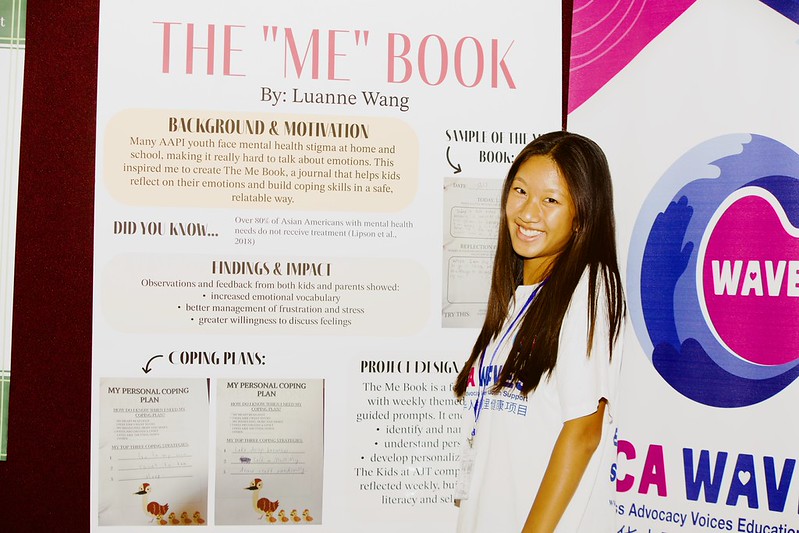
The Me Book
Author: Luanne Wang, Green Level High School, North Carolina (Youth Merit Awardee)
Abstract: AAPI youth often experience internalized emotional struggles due to the ongoing cultural stigma surrounding mental health. While coaching at the Athletic Junior Tennis (AJT) tennis club I founded in 2022, I observed that many younger students lacked the tools to recognize and manage difficult emotions. In response, I created The Me Book, a four-week emotional wellness journal designed to help children identify feelings, understand their personal emotional triggers, and develop personalized coping plans.
This journal includes weekly themed chapters with guided prompts, reflection spaces, and a final section to build a personalized self-regulation plan from what each kid learned about themselves. The students completed the journal individually but were supported by weekly check-ins, optional one-on-one discussions. Additional assessments including student reflections, interviews, and parent feedback showed improvements in emotional awareness, increased willingness to express feelings, and stronger coping behaviors.
Responses from The Me Book showed that 90% of students that completed the journal felt that they could use their coping plans when they felt overwhelmed or sad to help them feel better, and 95% of participants reported that they thoroughly enjoyed the journal and expressed interest in filling out additional prompts in the future.
With over 80% of Asian Americans with mental health disorders not receiving treatment (Lipson et al., 2018), early and culturally responsive interventions like The Me Book play an important role in reducing long-term mental health disparities, especially in AAPI communities. This project demonstrates how youth-led, community-based tools can support emotional literacy and resilience among AAPI children, especially in environments where mental health conversations are often minimized or overlooked.
Building Evidence for AAPI Mental Health: Evaluation of Peer Support Groups in Research Triangle Park North Carolina
Authors: Krystal W Zhang (Presenter), Xinyu Zheng, Lei Jiang, Haiying Zhao, Yangyan Zheng, Yiqi Zheng, Qi Fang, Jian “Lily” Chen, UCA WAVES, North Carolina
Abstract: Asian American and Pacific Islander (AAPI) communities face unique mental health challenges compounded by stigma, intergenerational pressures, and a lack of linguistically accessible resources. To address these gaps, two closed peer support groups were conducted between March and May 2025 in North Carolina’s Research Triangle Park region: one in-person and one online. Across both groups, an average of 14 participants attended 10 weekly themed sessions facilitated by trained peer support specialists. Program evaluation employed semi-structured focus group interviews (n=14, including facilitators) conducted during the final session of each group. Interviews were recorded, de-identified, transcribed, and analyzed using Braun and Clarke’s reflexive thematic analysis to identify recurring themes.
Findings showed three core benefits: (1) enhanced problem-solving skills through shared experiences and practical strategies, (2) emotional awareness and self-regulation supported by a safe, culturally attuned environment, and (3) strengthened interpersonal relationships, including improved parent-child communication and increased social connectedness. Participants identified barriers such as lack of awareness of mental health resources, limited Chinese-language services, and cultural stigma. Recommendations included thematic support groups (e.g., parenting, trauma), expanded services (hotlines, workshops), and Chinese-speaking professional mental health expertise.
This evaluation demonstrates that culturally tailored peer support programs provide critical, accessible mental health support in AAPI communities in North Carolina. These findings contribute to a growing body of literature on culturally responsive mental health care for underrepresented populations.



 UCA WAVES
Leave a comment