
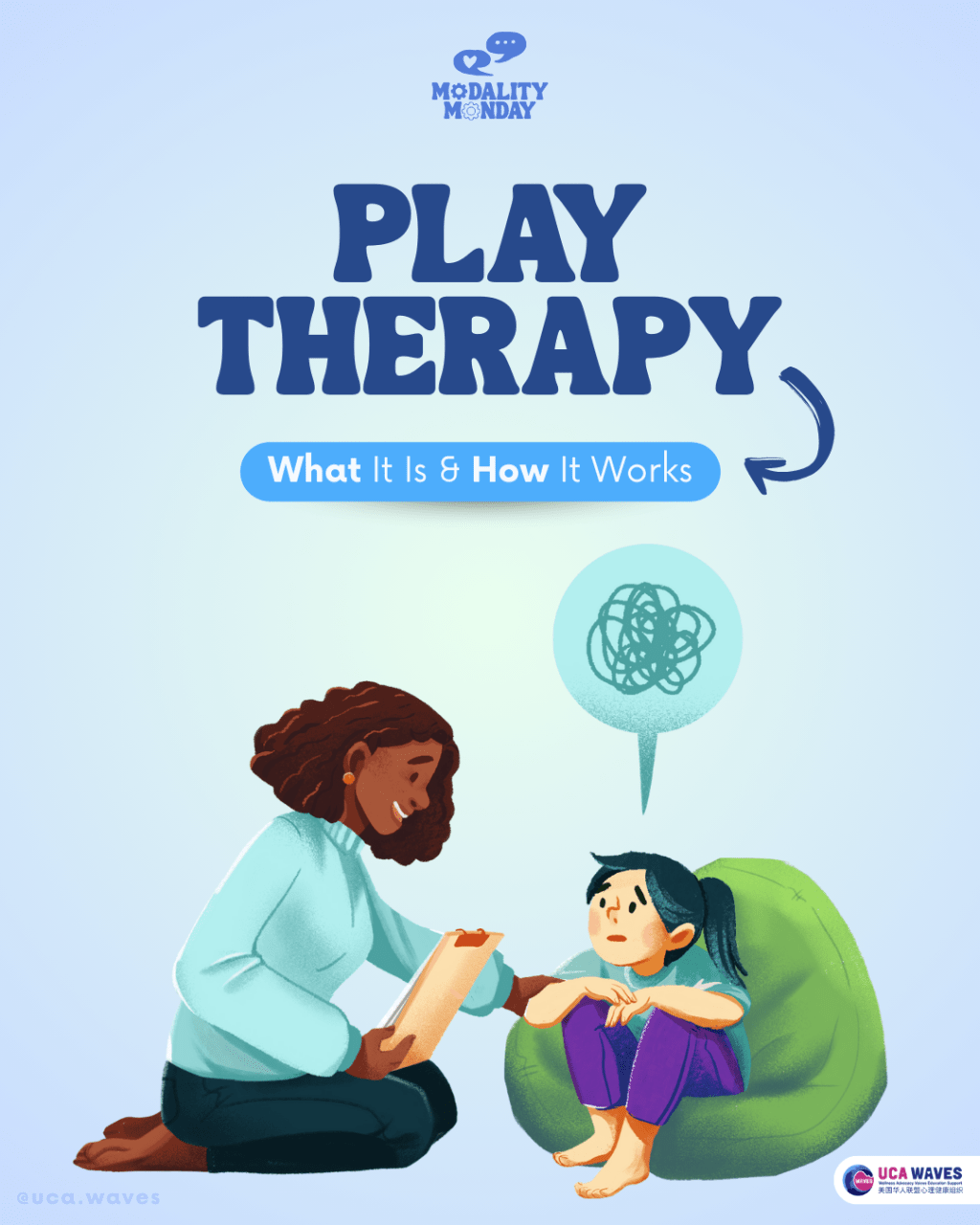
Understanding Play Therapy: Healing In A Child’s Own Language
We’re back with another edition of Modality Monday! Today, we’re exploring Play Therapy, a powerful approach designed to help children process emotions, develop coping skills, and heal from difficult experiences—all through the language they know best: play.
What is Play Therapy?
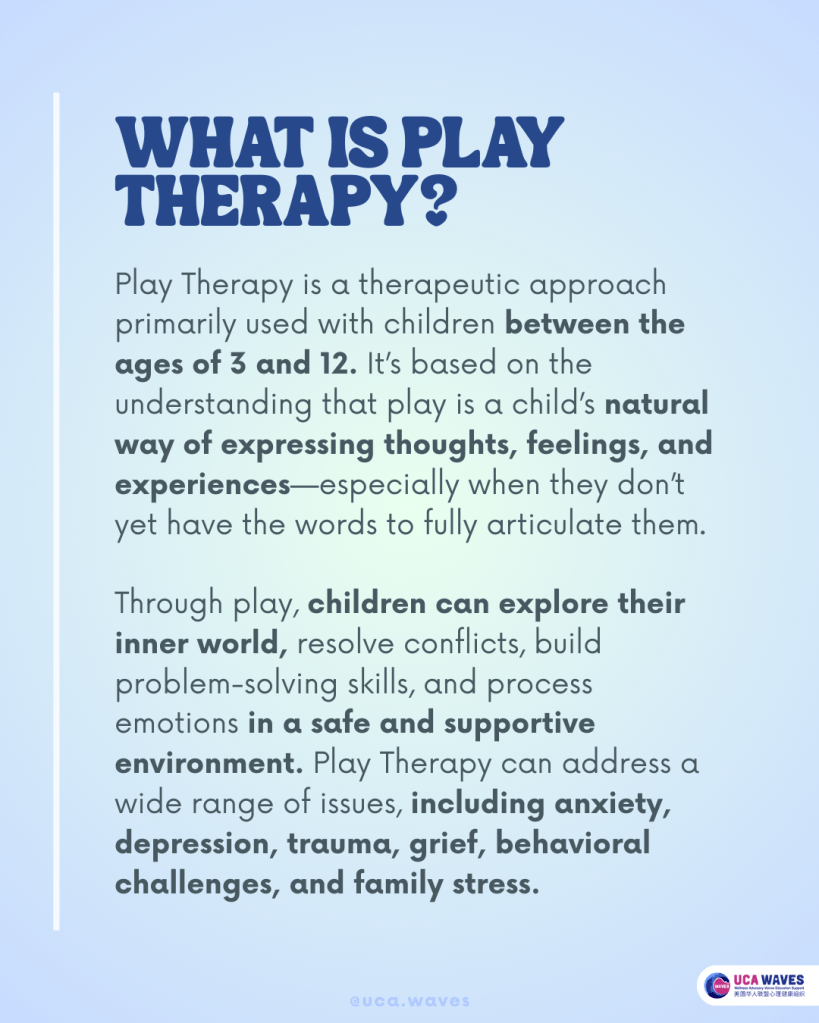
PlayTherapy is a therapeutic approach primarily used with children between the ages of 3 and 12. It’s based on the understanding that play is a child’s natural way of expressing thoughts, feelings, and experiences—especially when they don’t yet have the words to fully articulate them.
Through play, children can explore their inner world, resolve conflicts, build problem-solving skills, and process emotions in a safe and supportive environment. Play Therapy can address a wide range of issues, including anxiety, depression, trauma, grief, behavioral challenges, and family stress.
How Play Therapy Works
A Play Therapist provides a structured, safe environment filled with toys, art materials, and creative tools that allow children to express themselves symbolically. There are two main types of Play Therapy:
- Non-Directive (Child-Centered): The child leads the play, and the therapist follows their cues with empathy and reflection.
- Directive: The therapist uses specific activities or prompts to address certain behaviors, skills, or emotional challenges.
Core benefits of Play Therapy include enhancing emotional expression and regulation, improving communication and social skills, reducing symptoms of trauma or anxiety, and building self-esteem and confidence
Where does Play Therapy fall short?
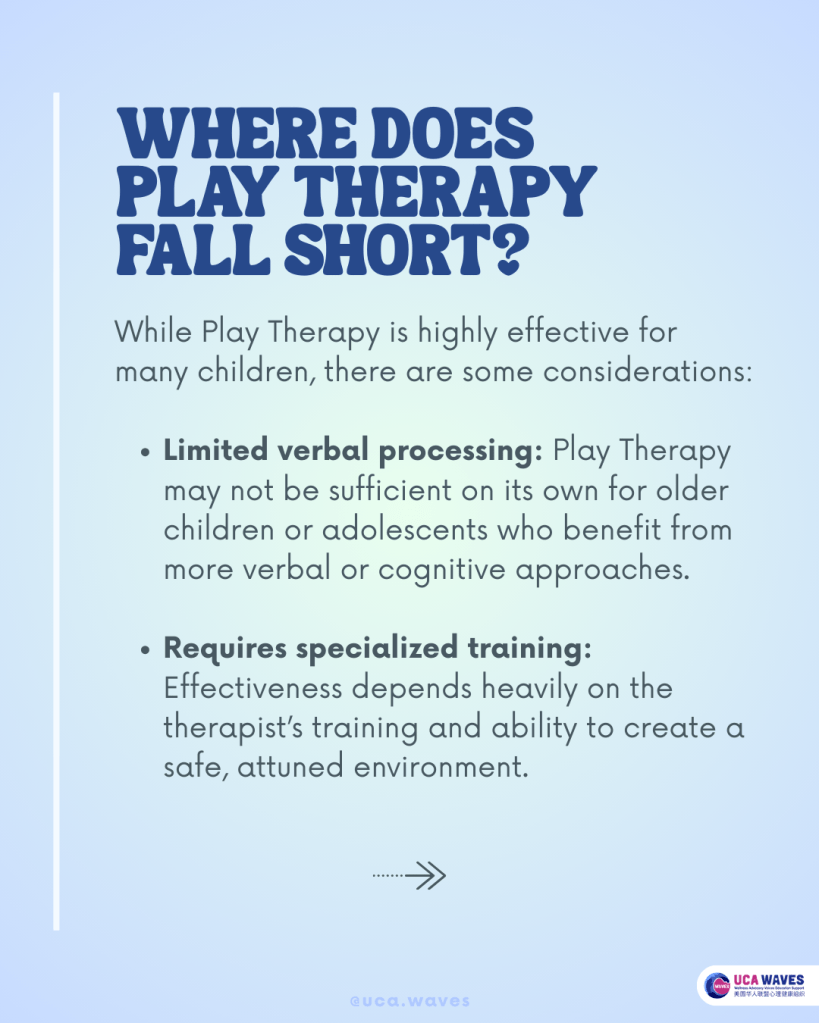
WWhile Play Therapy is highly effective for many children, there are some considerations:
- Limited verbal processing: Play Therapy may not be sufficient on its own for older children or adolescents who benefit from more verbal or cognitive approaches.
- Requires specialized training: Effectiveness depends heavily on the therapist’s training and ability to create a safe, attuned environment.
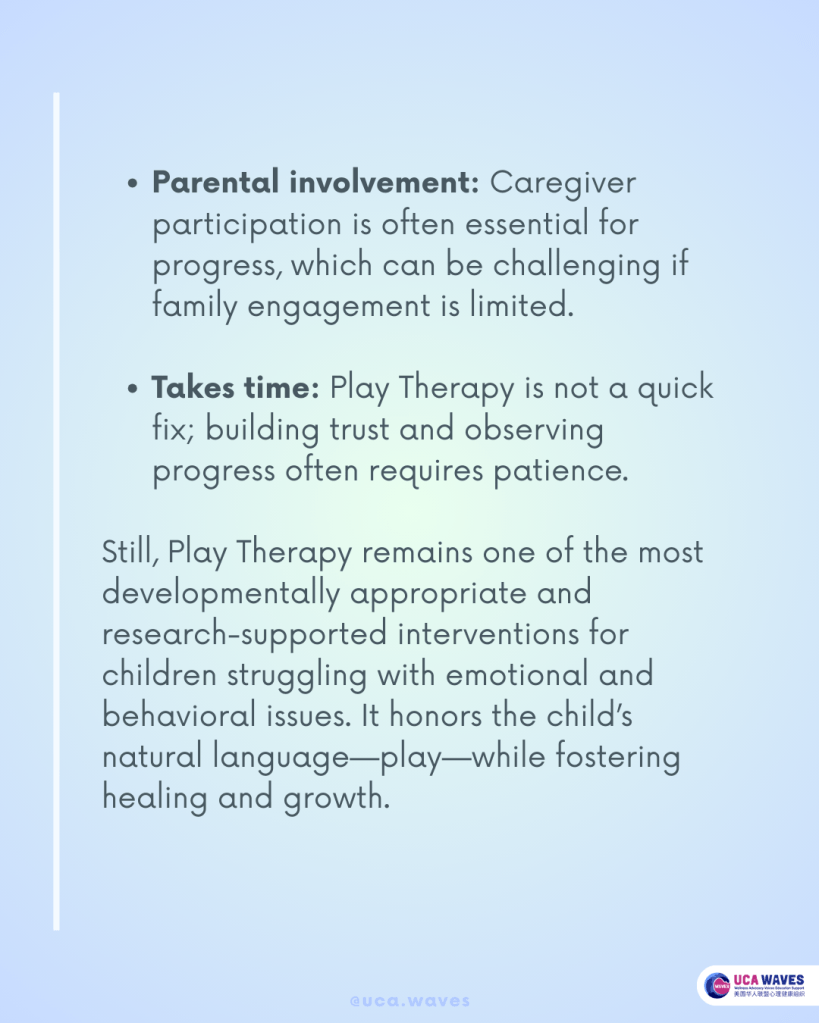
- Parental involvement: Caregiver participation is often essential for progress, which can be challenging if family engagement is limited.
- Takes time: Play Therapy is not a quick fix; building trust and observing progress often requires patience
Still, Play Therapy remains one of the most developmentally appropriate and research-supported interventions for children struggling with emotional and behavioral issues. It honors the child’s natural language—play—while fostering healing and growth.
Want to learn more about Play Therapy or find a Registered Play Therapist? Click on the button below!

 UCA WAVES
Leave a comment