

Mental health is an intersectional issue, and July being Minority Mental Health Month illustrates that. Here’s five things to know about how the two interact:
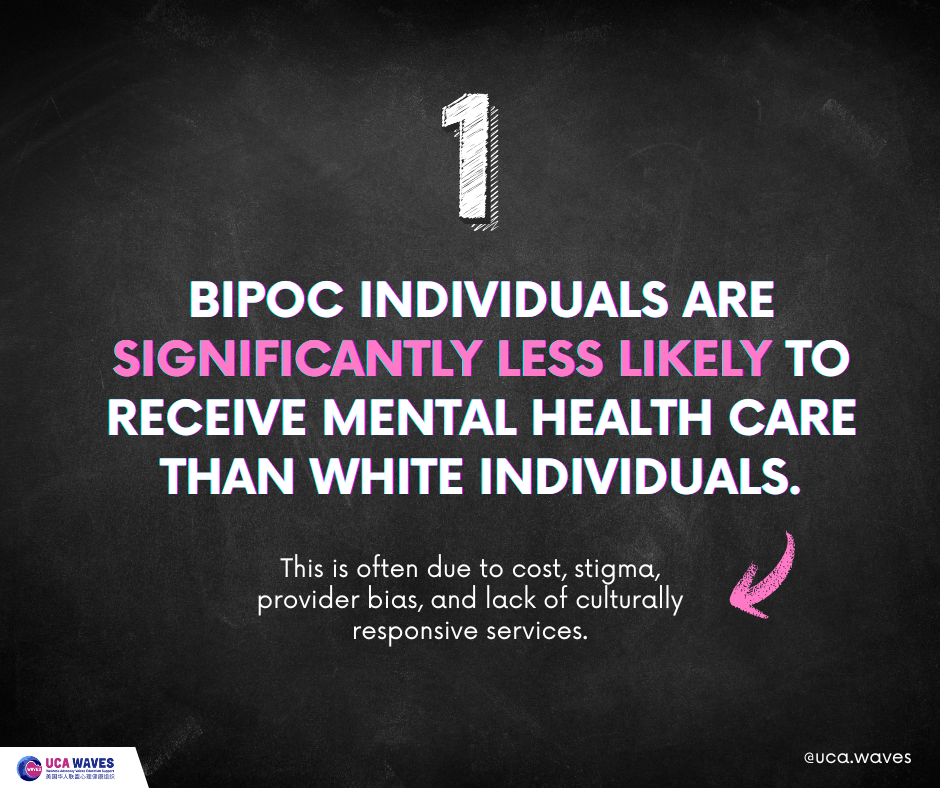
1. BIPOC individuals are significantly less likely to receive mental health care than white individuals. This is often due to cost, stigma, provider bias, and lack of culturally responsive services.
Source: https://www.nami.org/advocacy/policy-priorities/supporting-community-inclusion-and-non-discrimination/mental-health-inequities-racism-and-racial-discrimination/
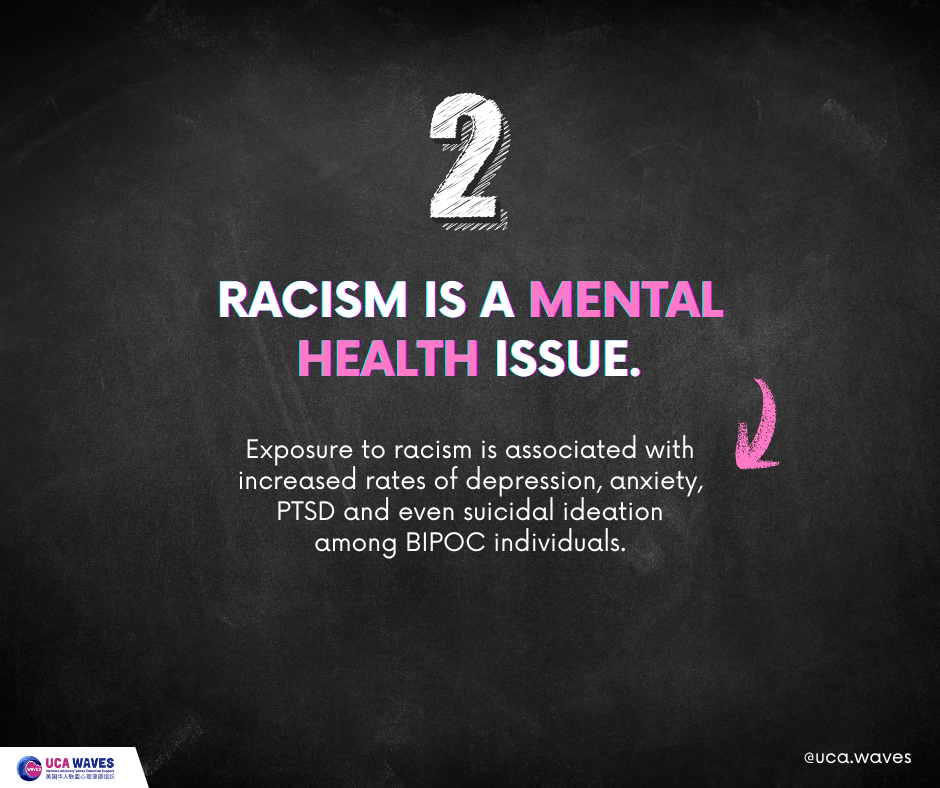
2. Racism is a mental health issue.
Exposure to racism is associated with increased rates of depression, anxiety, PTSD, and even suicidal ideation among BIPOC individuals.
Source: https://pmc.ncbi.nlm.nih.gov/articles/PMC6532404/
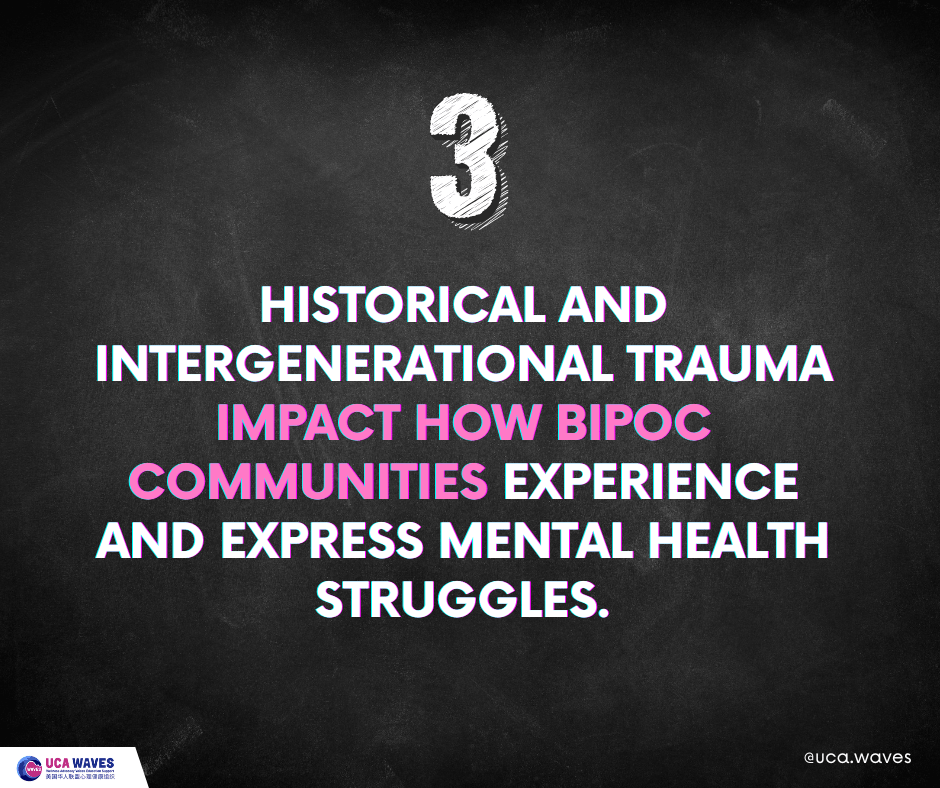
3. Historical and intergenerational trauma impact how BIPOC communities experience and express mental health struggles.
Source: https://www.nami.org/Your-Journey/Identity-and-Cultural-Dimensions/
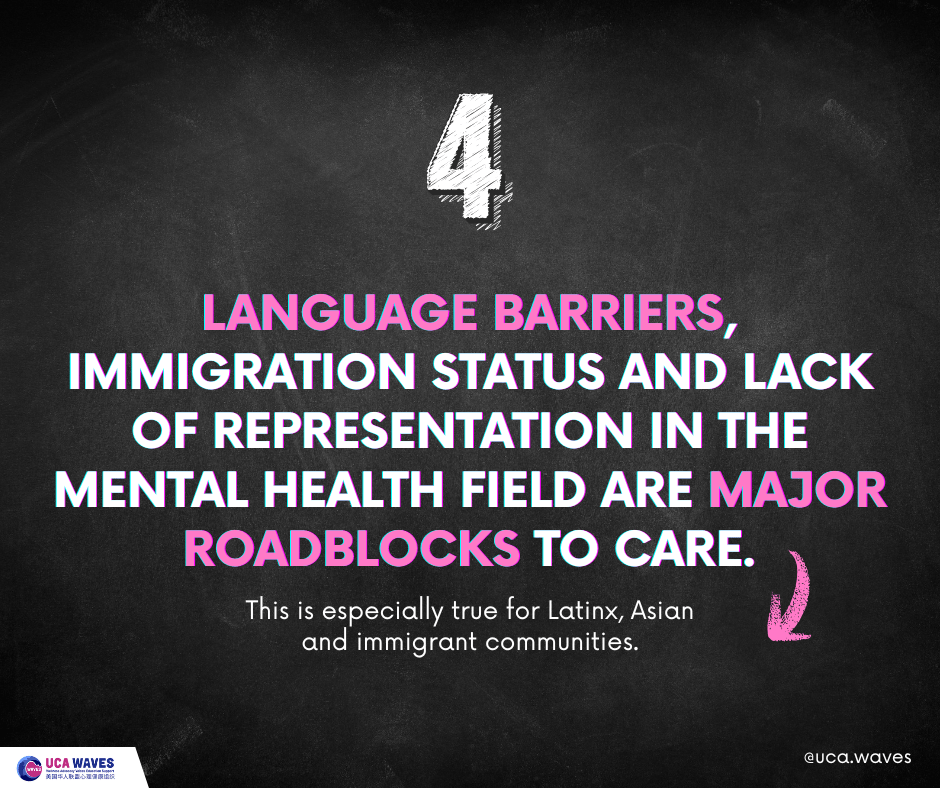
4. Language barriers, immigration status, and lack of representation in the mental health field are major roadblocks to care. This is especially true for Latinx, Asian, and immigrant communities.
Source: https://mhanational.org/bipoc-mental-health/
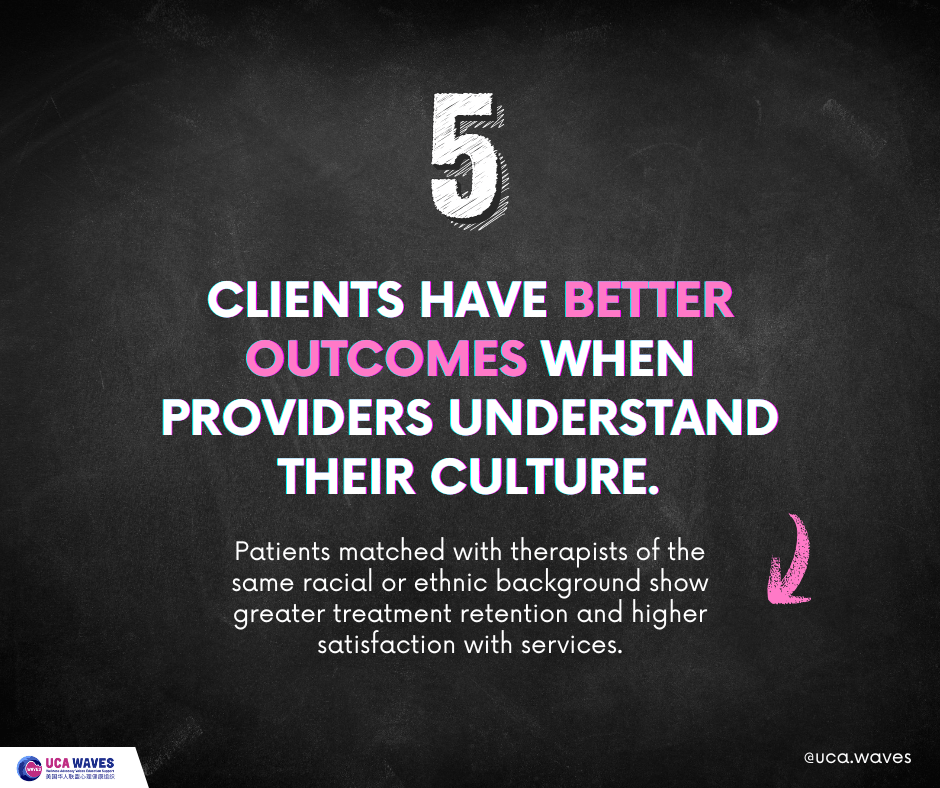
5. Clients have better outcomes when providers understand their culture. Patients matched with therapists of the same racial or ethnic background show greater treatment retention and higher satisfaction with services.
Source: https://pmc.ncbi.nlm.nih.gov/articles/PMC4228688/
At WAVES, we believe in mental health care for all, and this month is a time to reflect on why that’s so important.
 UCA WAVES
Leave a comment