
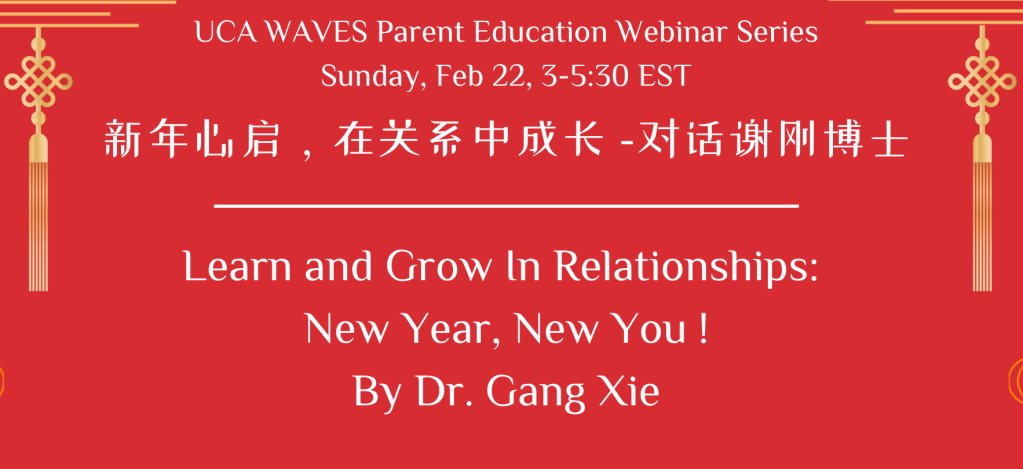
Huge success for UCA WAVES’ latest Parent Education webinar on February 22nd, with Dr. G. Julie Xie (谢刚博士)!
We had an incredible turnout with 407 participants from 29 states (including 21 from Wake County, NC), making this one of our largest events yet! Parents shared overwhelmingly positive feedback, praising Dr. Xie’s insights on fostering strong parent-child relationships and raising resilient, motivated children.
Here is the reflection wrote by one of the parents, Lihong Yu, Board Member of United Chinese Association of Utah, our long time official community partner:
1. 原生家庭是孩子们汲取心理资源(心理能量,为心理活动和行为提供能量支持),获得心理健康原动力最重要的源泉。
2. 父母和孩子关系中亲密和信任的程度,决定着解决问题的方式和方法。父母和孩子的关系基础越好,解决问题时选项越多,容忍错误的空间也越大。
3. 正面管教。
我们倾向于只看到我们所相信的,所以要让孩子们看到和感受到我们希望他相信的。我们希望他们自信,就多鼓励。我们希望他感恩,就做给他看。慢慢地,自信和感恩就成为他们自己的一部分。
4. 停止内耗。
做一个好的家长,我们要学会关注那些不紧迫,但是非常重要的事,比如自身的健康和自我的成长。
5. 目标
健康的孩子不是和别人比有多好,而是自信的,乐观的,无论处于何种境地,内心都有力量去面对和处理的,胜不骄败不馁的。要培养这样的孩子,要先肯定,再指出问题,最后提出希望。一个人有多爱自己,就会有多爱世界。
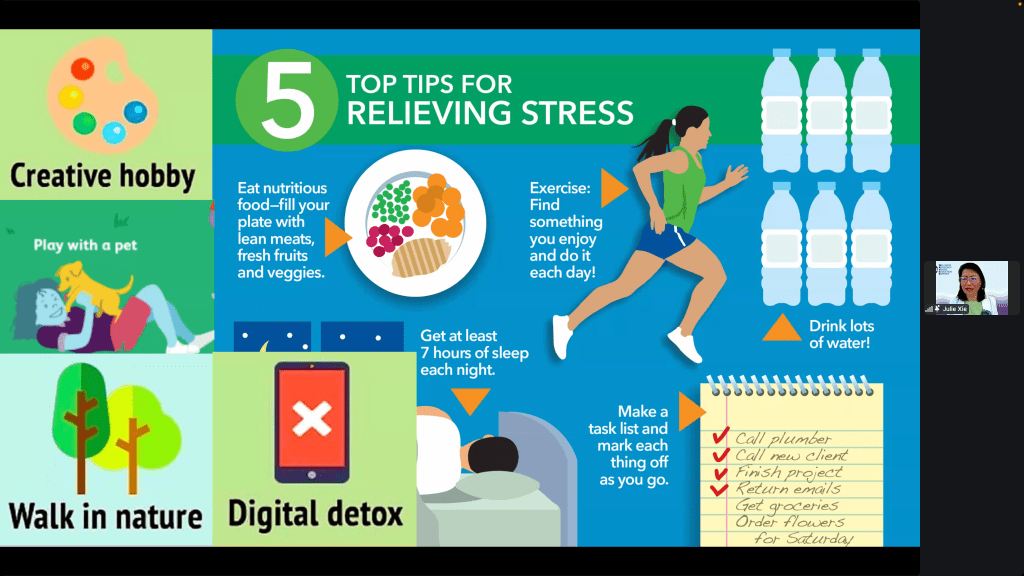
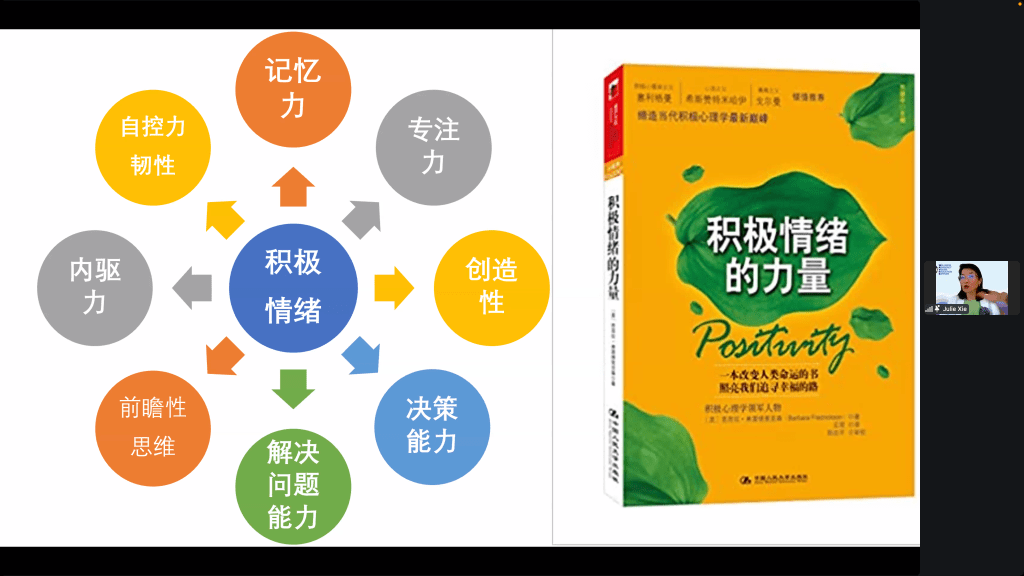
At UCA WAVES, our mission is to bridge gaps in mental health support, especially within the Chinese-American community, by offering accessible and practical resources that foster emotional well-being. Through education, workshops, and community outreach, we aim to empower individuals and families to create positive, lasting change. This webinar is just one example of how we strive to make a meaningful impact by providing expert guidance that helps parents raise emotionally healthy children, while also strengthening the community as a whole.
This could not be possible without the incredible dedication of the most amazing UCA WAVES Youth Mental Health Collaborative team, led by our WAVES Village and volunteer director Crystal Leng and the webinar logistics team.
A heartfelt thank you to Dr. G. Julie Xie for your expertise, and to the entire team for making this event a success.
Watch the full video:
My “bookend” for Dr. Gang Xie’s Webinar
Hong Wang Ph.D, UCA Waves Mini-education and Peer Support Coordinator
As an educator and a researcher working in a university, I am honored to write this “bookend” for Dr. Gang Xie’s Webinar, “Learn and Grow in Relationships”. Dr. Xie’s Webinar resonates with me as an educator and a mother. In the last thirteen years, I have mentored college students and postdocs. In this role, I serve as “the academic parent” after young adults have left home. This position allowed me to observe first-hand the lasting trauma left by well-intended parenting and education practices when children grow up. I know an outstanding young scientist whose parents locked him inside their apartment without electricity to prevent him from playing video games during summer breaks in China. My heart is broken with so many of our undergraduate and graduate students committing suicide. There are mental health challenges facing some of these students that need medical attention. A more common case is where bright college students and young professionals struggle with “inner-self”. As a mom, I have my own personal struggles when guiding my children growing up in the US. Dr. Xie’s Webinar lays out much-needed wisdom. She also provides action plans that we can incorporate into our daily lives to guide the growth of our relationships with ourselves and our children.
The main part of her Webinar focuses on how to grow the parent-child relationship. On a daily basis, as parents, when our children are in school, it is natural that we tend to focus on seeing our children through their “report cards” and academic performances. When a child does not perform well in school, we tend to rush to “mend or correct” the situation by prescribing more activities for our children to do or setting up “safe” boundaries. Dr. Xie challenges us to turn our consistent gaze away from “report cards” and what goes wrong, and focus on fostering the relationship with our children. We should believe that every seed (child) will have the innate nature to grow in his/her own way. We, as parents, need first to grow ourselves. Our mental state is the foundation for a close parent-child relationship that is the rich soil for children to organically grow confidence, resilience, and satisfaction with their own lives.
Dr. Xie’s Webinar also made me reflect on my own experiences. She mentioned that by nature and evolution, our brain tends to remember better “bad” situations better than “good” situations. As a scientist, I remember experiments that did not work and ruminate on them for a long time. This pondering of “bad things” allows me to find new approaches and make breakthroughs. But on a personal level, this rumination can become over-consuming. I need to intentionally practice “gratefulness” to keep the “good happenings/blessings” to form permanent tracks in my memory over the “bad happenings”.
Dr. Xie’s Webinar is an excellent mix of theoretical and practical guidance. For the theoretical part, it will take lifelong learning. But we can put many practical guidance into action right away. For me, I will use the time when I drive back home to put behind what is on my mind about work. I will remember to smile before entering my classroom and home. I will putting a Wellness Bingo in my lab to help my students to be intentional about putting their mental health as a priority.
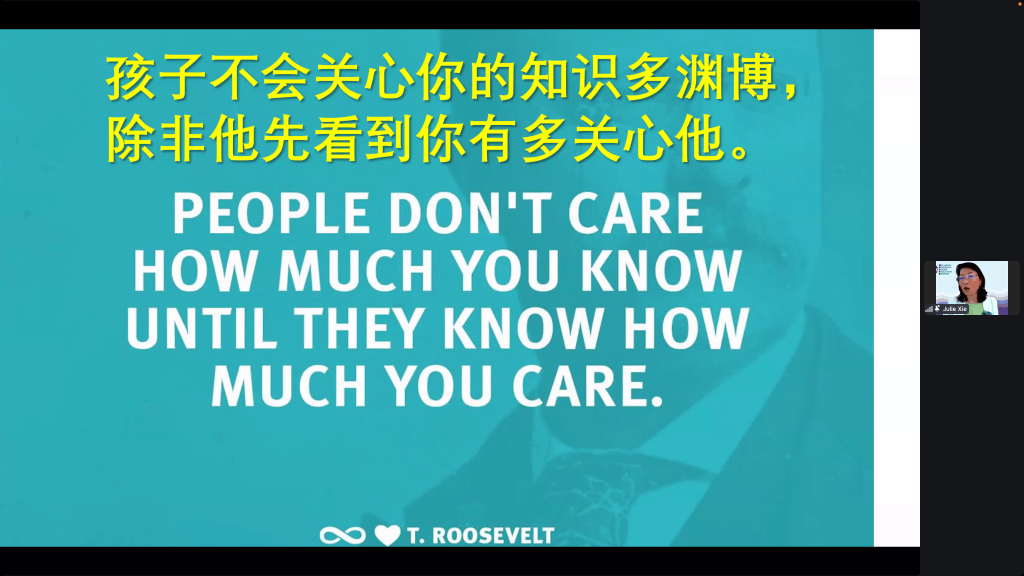
Finally, as a mom and an educator, I would like to reach out to parents who struggle at home at this moment. Through events like this UCA Waves Webinar, I hope you see that you are not alone. Dr. Xie’s Webinar “Learn and Grow in Relationships” is a treasure trove that we can visit and revisit many times to refocus our attention on growth in relationships. I will hand copy the quotes in her Webinar and read the books that she suggests.
For people who joined this Webinar in real-time, watched the Webinar recording, or plan to watch the recording, you have made or will make a ripple in our effort to promote mental health. I would like to invite you to see yourself as a member of our large UCA Waves community. Each of us makes ripples of changes at home. Keep tuned to the next UCA Waves event. Together, we make Waves of changes in youth mental health in our communities.
 UCA WAVES
Leave a comment