

Author: Tracy Xu
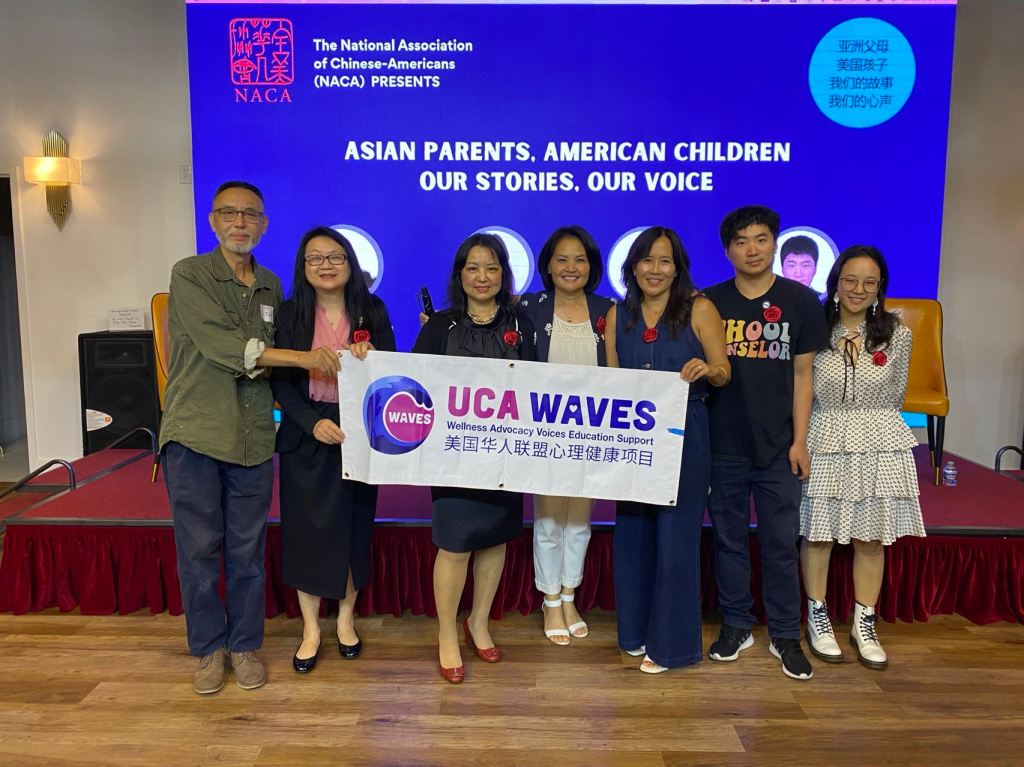
On October 5, 2024, the National Association of Chinese Americans (NACA), in partnership with Unite Chinese Americans (UCA) Wellness Advocacy Voice Education Support (WAVES), hosted a milestone seminar on Asian American parenting and mental health in Atlanta GA, titled “Asian Parents, American Children; Our Stories, Our Voice.”
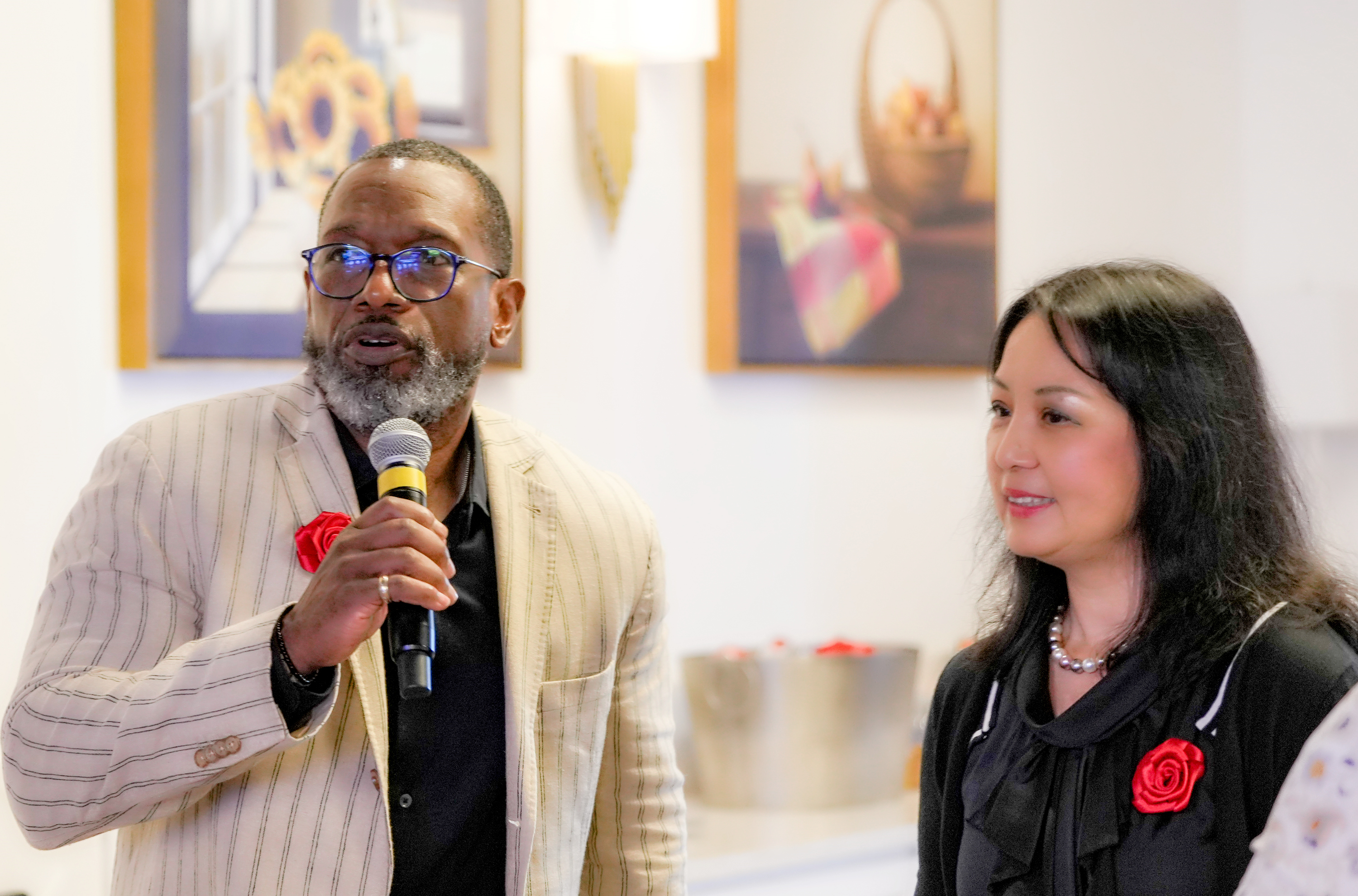
Approximately 100 attendees participated, reflecting an urgent unmet needs in the community. Majority of the attendees are from mainland China, Taiwan, Hong Kong and Indonesia. Other attendees also included high school counselors, and Victor Armstrong, Vice President for Health Equity and Engagement at the American Foundation for Suicide Prevention from North Carolina.
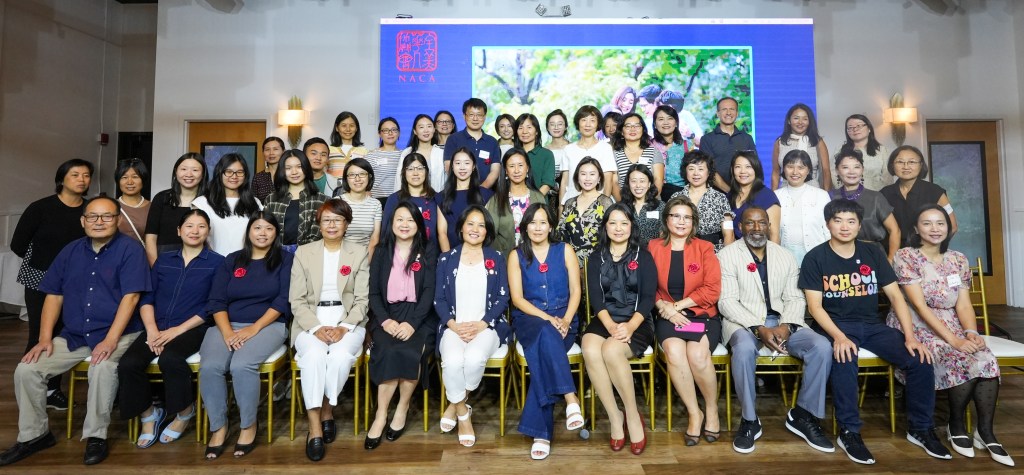
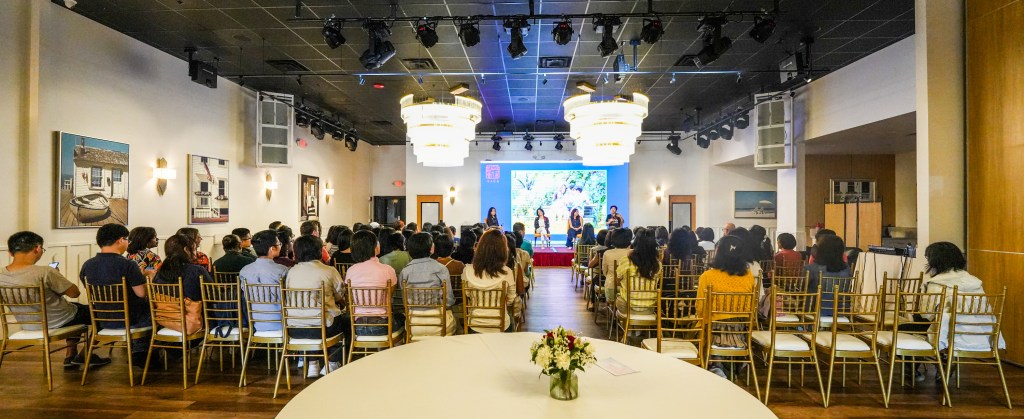
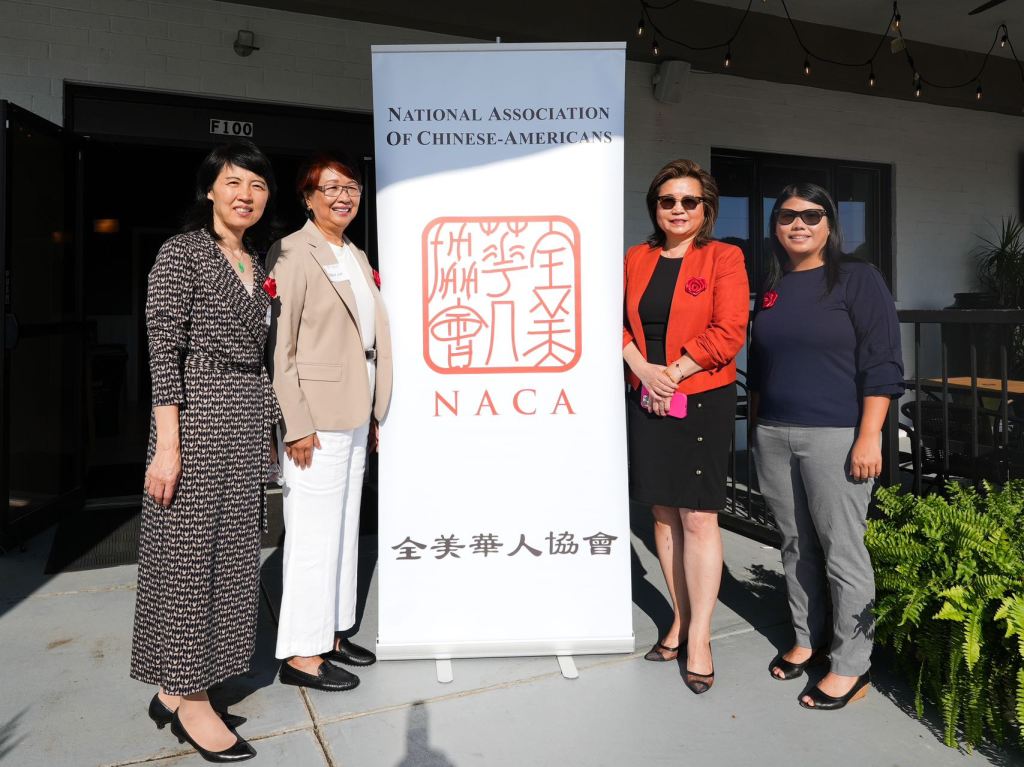

The seminar was organized and moderated by Tracy Xu, NACA board member and Executive Director at Gallagher.
Panelists included:
- Lily Chen, Founding Executive Director of UCA WAVES
- Dr. Juliana Chen, Child and Adolescent Psychiatrist, Associate Director of the MGH Center for Cross-Cultural Student Emotional Wellness, and Chief Medical Officer at Cartwheel Care
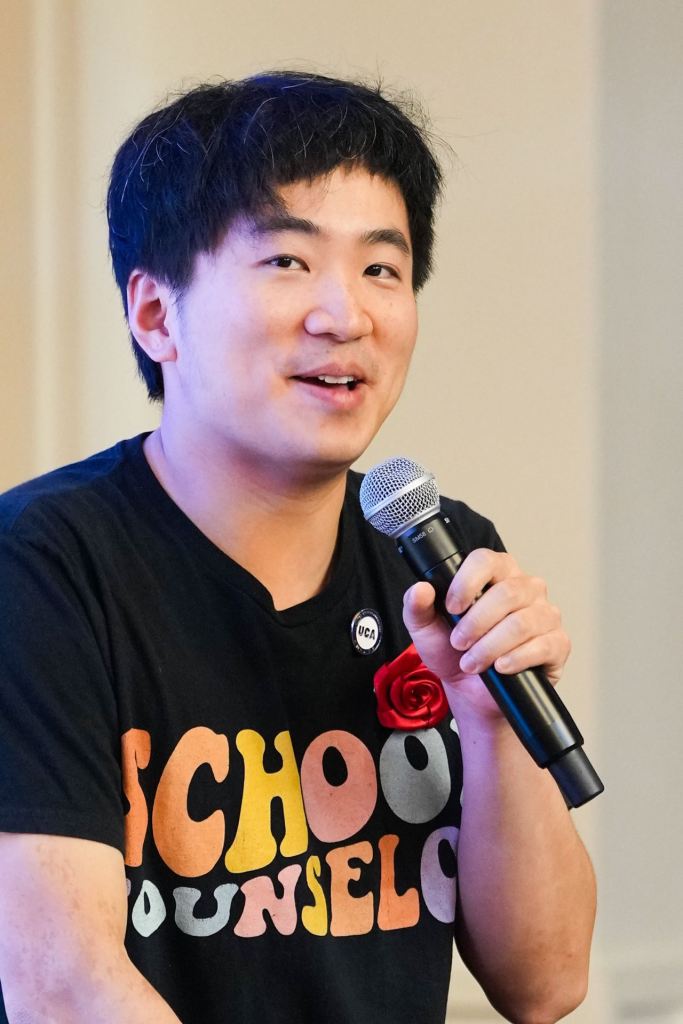
- Justin Zhang, School Counselor at STEAM Prep Academy in Nashville, TN
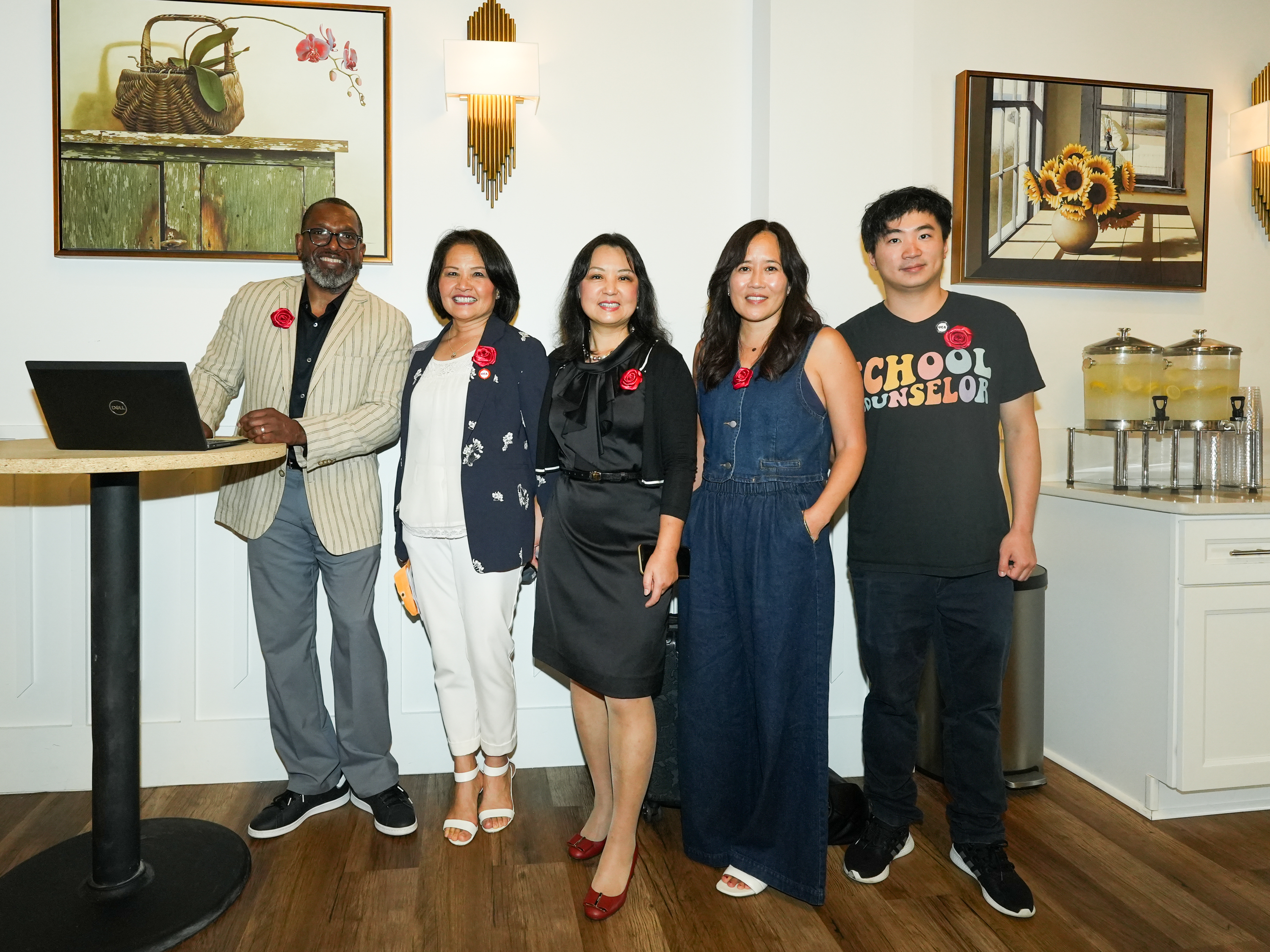
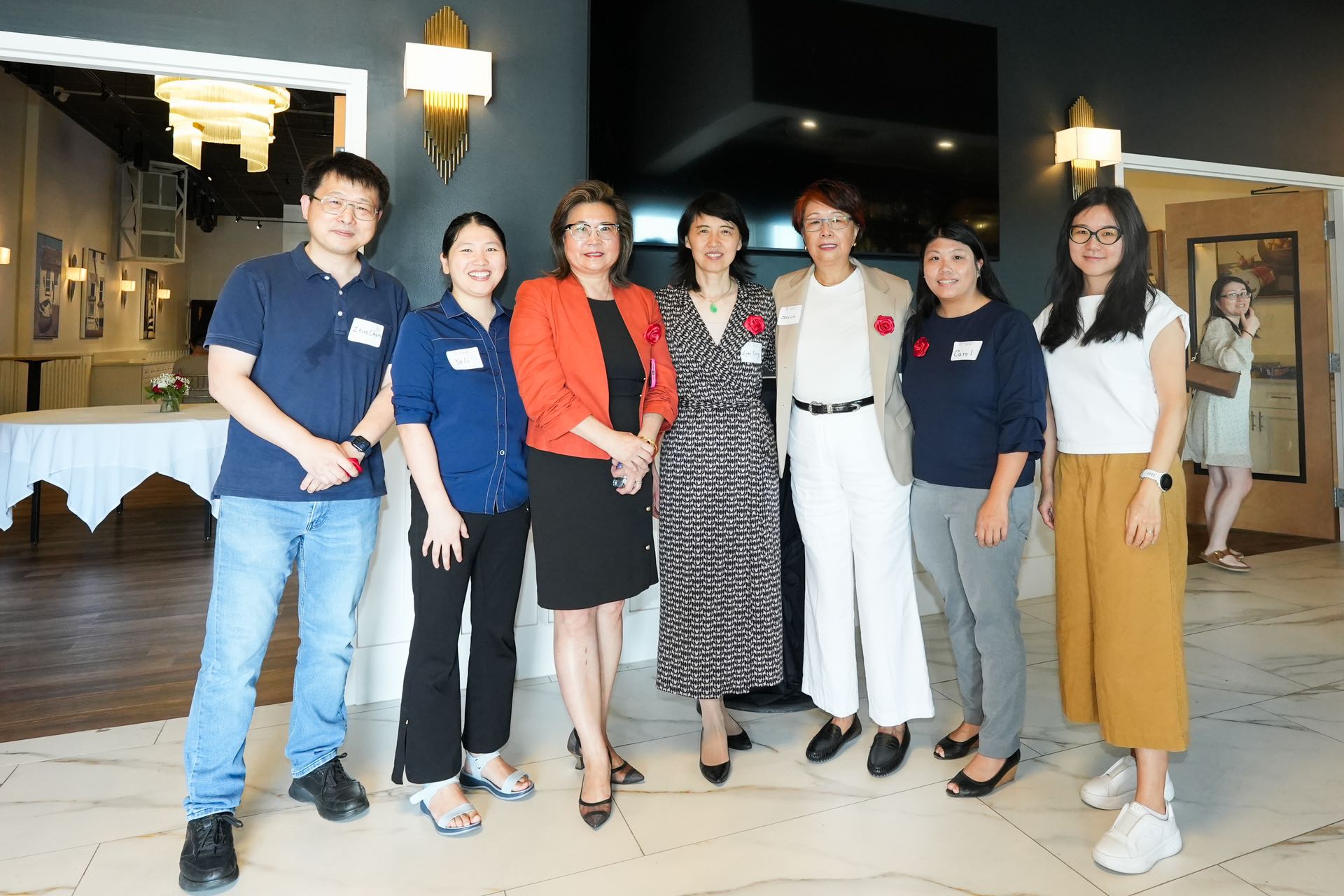
NACA board members Jean Lin, Lynn Yang, Carol Ng; WAVES Volunteer Director Crystal Leng and research team volunteer Xuesong Han are in attendance as well.

Key Themes Explored
The seminar delved into several critical areas impacting the mental health of Asian Americans:
1. Communication and Cultural Barrier
Immigrant families often encounter communication challenges due to language barriers, which can lead to misunderstandings in both meaning and intention. This often leads to feelings of disconnection between parents and children, especially as children grow older and seek to integrate into the American culture. They may be reluctant to communicate in their parents’ native language. Additionally, first-generation immigrant parents frequently navigate unfamiliar social contexts, which can create cultural gaps.
In many Asian cultures, love is expressed in nonverbal ways, such as food and acts of service, rather than through verbal affirmations. This can hinder emotional connection and development, as Asian American children may not receive the verbal and physical expressions of affection they need.
Furthermore, difficult emotions are often avoided or sidelined instead of being openly discussed, leading to bottled-up feelings and a lack of emotional outlets.
2. Identity, Belonging, and Acceptance
Asian adolescents often grapple with their identities, feeling the pressure to adapt to American culture while holding onto their heritage. This struggle can lead to mental stress and social isolation, especially during times of increased societal tension such as the COVID pandemic. Terms like “China virus” had negative effects on Asian children in school, exacerbating feelings of isolation and discrimination that often go unrecognized.

3. Model Minority Stereotype
Asian Americans are often viewed as “model citizens,” leading to unrealistic expectations in areas such as education, career and behavior. This stereotype can create immense pressure on youth, contributing to feelings of inadequacy and disappointment in themselves when they struggle to meet these expectations.
4. Pressure to Succeed
High expectations from Asian parents regarding academic achievement can lead children to feel as though they are failing their parents. This sense of failure can drive some children to anxiety, depression and even suicidal thoughts.
5. Shame and Stigma of Seeking Help
The stigma surrounding mental health issues often results in Asian Americans having the lowest rates of seeking help—approximately one-third of that of their White counterparts. This leads to mental health challenges are being hidden or minimized.
The lack of bilingual and bicultural therapists further under-serves the Asian American community in terms of mental health support.
Recommendations and Resources
The panelists offered valuable suggestions for improving parenting skills, emphasizing the importance of prioritizing emotional and mental well-being over academic success.
All speakers highlighted that children want to be “seen and heard” by their parents.
Dr. Juliana Chen introduced the concept of the “4 C’s” for improving communication with children: Calm, Curious, Compassion and Concern. This approach encourages non-judgmental listening, emotional engagement, and open communication.

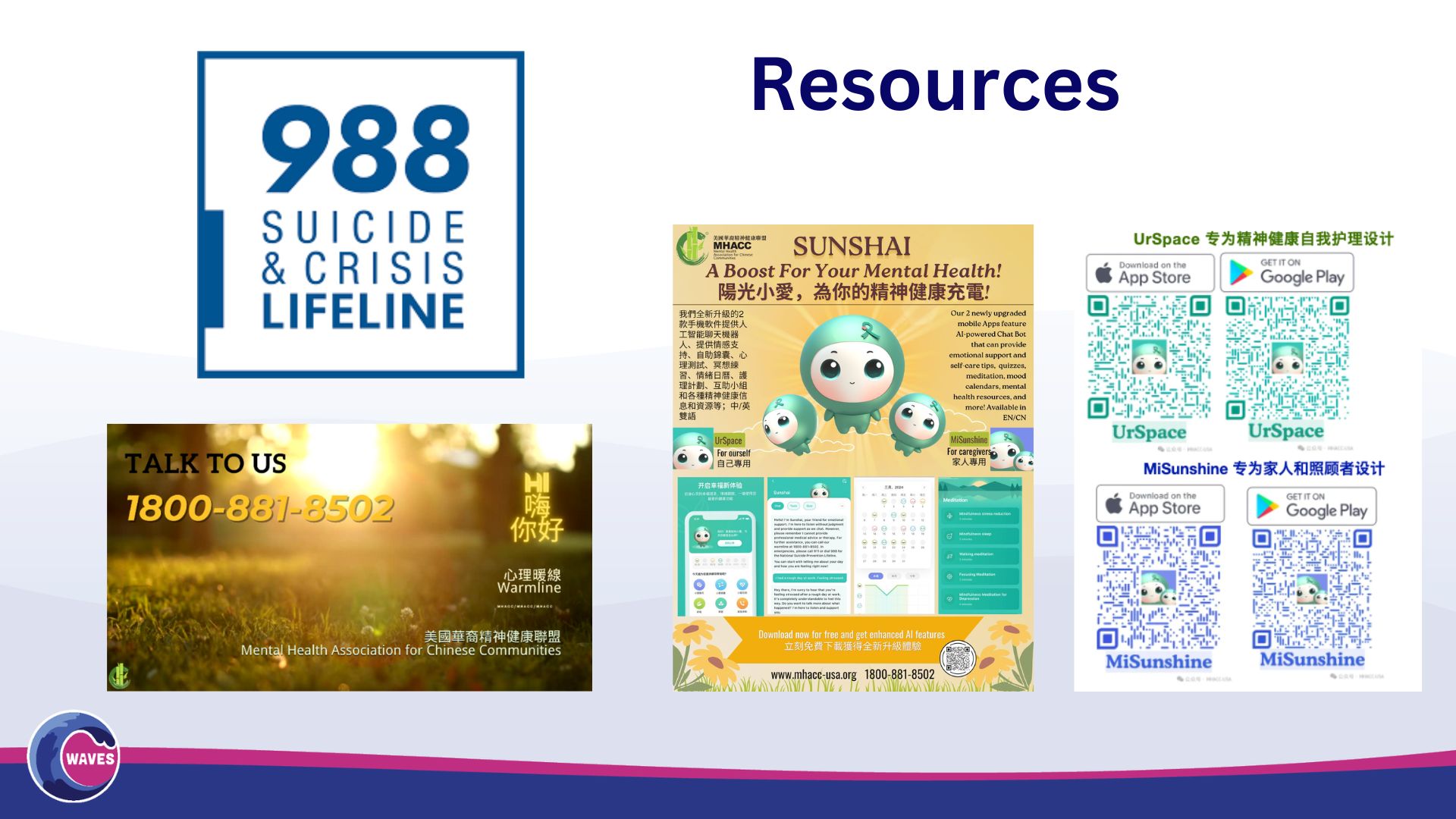
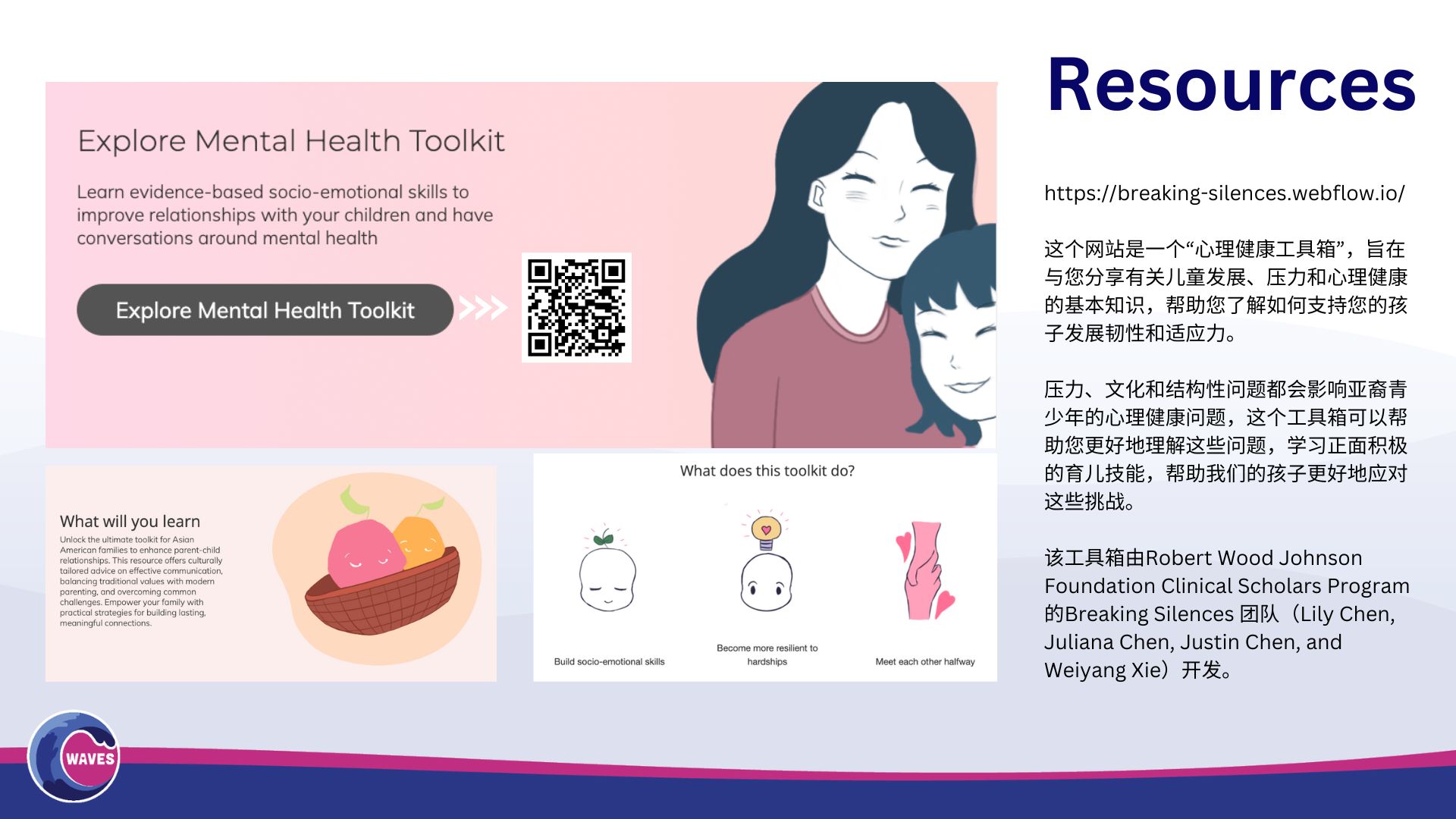
Lily Chen shared a variety of resources, including a parent communication toolkit, suicide hotline information, and details about support groups and apps.
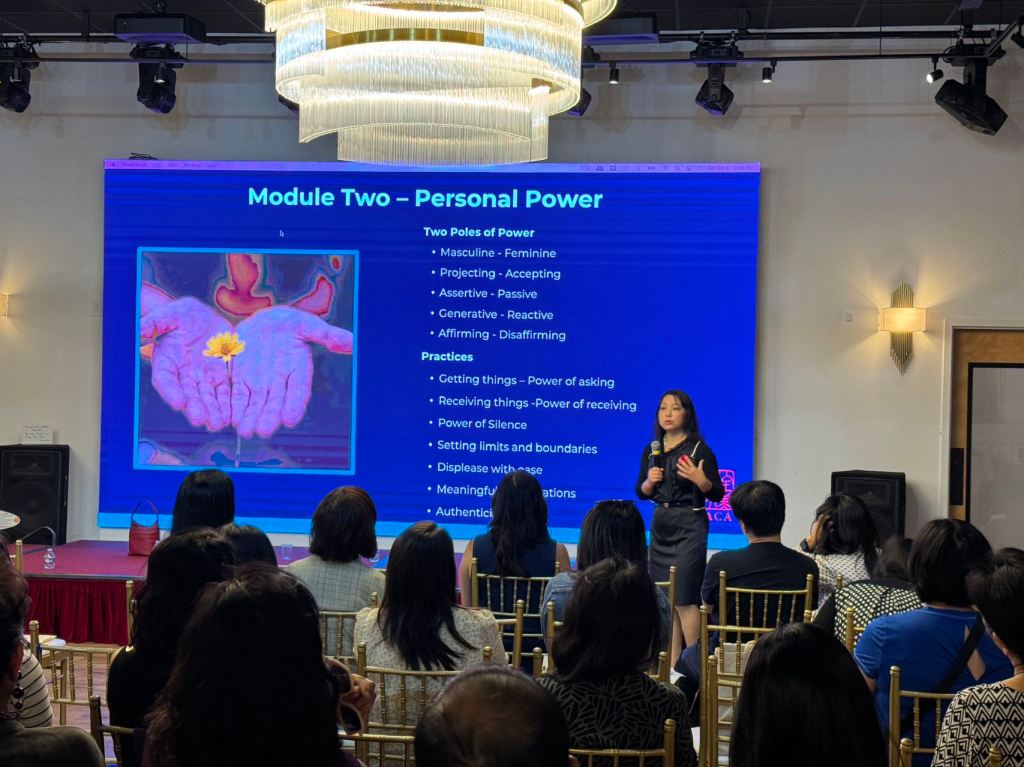
Tracy Xu introduced NACA’s year-long leadership and self-growth program, designed to empower individuals to enhance their emotional intelligence, self-awareness, sense of power, and capacity for meaningful emotional connections.
Maggie Mers, NACA President, thanked the panelists at the end of the meeting and invited the attendees to become NACA members. All attendees are encouraged to attend the 45th anniversary celebration dinner on November 9th, 2024.
Conclusion
The seminar was an important first step in fostering dialogue around parenting and mental health issues within the Asian American community.
After the seminar, many participants shared that the two-hour session felt too short. Lily Chen noted that this feedback is quite common and reflects a strong desire for learning and growth. She described the workshop as a seed for developing parenting skills and mental health awareness, emphasizing that, like our children, these seeds require years to flourish.
“As parents, we have the opportunity to cultivate our own growth throughout this journey. It will demand hard work, ongoing support, and continuous learning. Navigating this process can be challenging on our own, which is why having a supportive network is crucial. Organizations like NACA and UCA WAVES provide invaluable resources and community support”, remarked by Lily Chen. Lily further encouraged the Asian American community in Atlanta to seize this opportunity for further learning and growth, such as attending the NACA/UCA Mental Health First Aid Training to reinforce understanding and practicing active listening skills to better support one another.
While this journey demands significant effort and time, it brings hope for transforming the experiences of both immigrant parents and their Asian American children. NACA remains committed to leading this initiative and serving the community.
2024年10月5日,华协(NACA – the National Association of Chinese Americans)与美国华人联盟心理健康组织(UCA WAVES)在亚特兰大举办了一场具有里程碑意义的有关亚裔亲子关系和心理健康的研讨会,主题为“亚裔父母,美国孩子; 我们的故事,我们的心声”。
近100名与会者参加了此次研讨会,反映了社区的需求。除了大多数来自大陆、少数来自台湾、香港和印度尼西亚的亚裔外,我们的与会者还包括高中辅导员和来自北卡的美国自杀预防基金会健康公平与参与副总裁Victor Armstrong。
研讨会由NACA董事会成员、Gallagher执行董事Tracy Xu组织并主持。与会的专家小组成员包括:
- Lily Chen,美国华人联盟心理健康组织(UCA WAVES)的创始人和执行长
- Dr. Juliana Chen,儿童和青少年精神科医生,担任马萨诸塞州总医院跨文化学生情感健康中心的副主任,同时也是Cartwheel Care的首席医疗官。
- Justin Zhang,田纳西州纳什维尔STEAM Prep Academy的学校辅导员。
NACA 董事会成员 Jean Lin, Lynn Yang, Carol Ng; WAVES 志愿者团队负责人Crystal Leng ,和研究团队志愿者 Xuesong Han 也参加了这次的研讨会。
探讨的关键主题
此次研讨会深入探讨了影响亚裔心理健康的几个关键领域:
1. 沟通与文化障碍
移民家庭经常会因为语言障碍而遇到沟通困难。这不仅会导致对语言意义和意图的误解,还可能导致父母与子女之间产生情感疏离和隔阂,尤其是当孩子们长大后渴望融入家庭之外的美国文化时,可能会不愿意使用父母的母语进行沟通。此外,第一代移民父母经常要面对陌生的社会环境,感受到文化障碍。
在许多亚洲文化中,爱是通过非语言的方式表达的,比如通过食物和为子女服务,而不是通过口头肯定。这可能会阻碍情感流通与联系。亚裔美国孩子可能感到无法得到他们需要的用言语和身体来表达的爱。
2. 身份、归属感与接纳
亚裔青少年常常面临身份认同上的挣扎。面临既要适应日常接触的美国主导文化的压力,同时又希望保留自己家庭的原生文化。这种缺乏身份认同感和归属感的挣扎可能导致心理压力和社会孤立感,尤其是在新冠疫情期间歧视现象有所加剧。“中国病毒”等词汇对很多亚裔孩子产生负面影响,加剧了孤立感和不被认可的歧视感。
3. 模范少数族裔刻板印象
亚裔美国人常常被视为“模范公民”,这导致社会在教育、职业、和行为等方面对亚裔产生不切实际的期望。这种刻板印象对年轻人造成巨大的压力。当他们感到难以达到这些期望时,常常感到对自己不自信和失望。
4. 成功的压力
亚裔文化更容易把成功定义为好成绩、 好学校、 高薪稳定工作。而不太关注孩子内在的需求、动力和天赋。 这种对成功定义的单一性可能会造成亚裔父母对孩子学业成就的要求偏高甚至不实际。 这种过高要求可能导致孩子感到自己达不到父母的期待值。从而产生失败感。加上沟通上的缺失,造成一些孩子焦虑、抑郁、甚至产生自杀的念头。
5. 羞耻感与污名化
围绕心理健康问题的污名化往往导致亚裔美国人寻求帮助的比例只为白人群体的三分之一。这导致心理健康问题往往被隐藏或轻视。
缺乏双语和双文化的治疗师使得亚裔美国人在心理健康支持方面进一步被忽视。
建议与资源
讨论嘉宾强调优先关注儿童的情感和心理健康,而非学业成功的重要性。
所有发言者都强调,孩子们希望父母能够“看到和听到”他们的需求。Dr. Juliana Chen提出了改善与孩子沟通的四个要点:冷静、好奇、同情、和关心。鼓励非评判性地倾听、情感互动和开放的沟通。
Lily Chen分享了很多资源,包括父母沟通工具包、自杀热线、支持小组,和小程序等。
Tracy Xu介绍了华协为期一年的领导力和自我成长课。旨在帮助学员提高情商、自我觉知、个人力量和情感沟通能力等。
华协主席Maggie Mers在会议结尾感谢了嘉宾,并邀请大家成为华协会员,参加华协将于11月9号举办的45周年庆祝晚宴。
结论
此次研讨会是促进亚裔美国社区关于亲子关系和心理健康对话的重要一步。
研讨会结束后,许多参会者都感觉两小时的课程太短。Lily Chen 指出,这种反馈很常见,反映了大家强烈的学习和成长愿望。她将研讨会描述为培养跨文化亲子技能和心理健康意识的种子,并强调,就像我们的孩子一样,这些种子需要多年才能发芽。
“作为父母,我们有机会在整个过程中自我成长。当然这需要付出努力和同伴的支持。独自驾驭这个过程具有挑战性,这就是为什么拥有一个支持网络至关重要。NACA 和 UCA WAVES 这样的组织提供了宝贵的资源和社区支持。”Lily Chen说道。Lily 鼓励亚特兰大的亚裔社区抓住进一步学习和成长的机会,例如参加 NACA/UCA 心理健康急救培训。
虽然这段旅程需要付出巨大的努力和时间,但它会成为一个转折点, 给移民父母和亚裔美国孩子带来成长的希望。华协(NACA) 将继续引领这项工作并服务社区。
 UCA WAVES
Leave a comment